Khyber Pakhtunkhwa marble suppliers span Buner factories, Swat mines, Dir granite, and Peshawar yards—quality varies by documentation and process, not district hype. Use this vetting checklist before you sign a proforma or LC.
Every district in Khyber Pakhtunkhwa has a story; not every supplier has a system. To vet a KP marble supplier means separating lease-backed production from trader fiction before your letter of credit opens. Importers burned on shade mismatch, hidden cracks, or non-compliant invoices usually skipped the same dozen checks—legal identity, quarry proof, slab specification, tax status, logistics, and independent verification. Architects feel the pain later on site when lobby Super White does not match the approved sample board.
This checklist applies whether you source from Buner’s Torwarsak belt, Swat, Dir granite yards, Mohmand white-green, Bajaur Nawagai grey-white, Mardan polish hubs, or Peshawar wholesalers—adapt depth to order size, never skip identity and spec steps.
Legal and tax verification
Request NTN certificate, active sales-tax registration where claimed, and business bank account matching the proforma entity. Post-PATA goods-tax rules affect formal Malakand factories and their suppliers—budget compliant pricing using our Buner factory tax research. If your bank requires FBR-tracked invoices, a cash-discount quote from an unregistered trader is a future problem, not a bargain.
Confirm company name on invoice matches the entity you researched; sole proprietors switching titles mid-RFQ is a red flag at container scale.
Quarry and factory proof
Ask for lease holder name or subcontract letter, extraction method (blasting vs wire saw per our quarry tools guide), and factory GPS or video walk-through for gangsaw and polish lines. “Mine-direct” without quarry photos is marketing. For Peshawar wholesalers, demand upstream factory declaration per SKU line—see our Peshawar wholesaler guide.
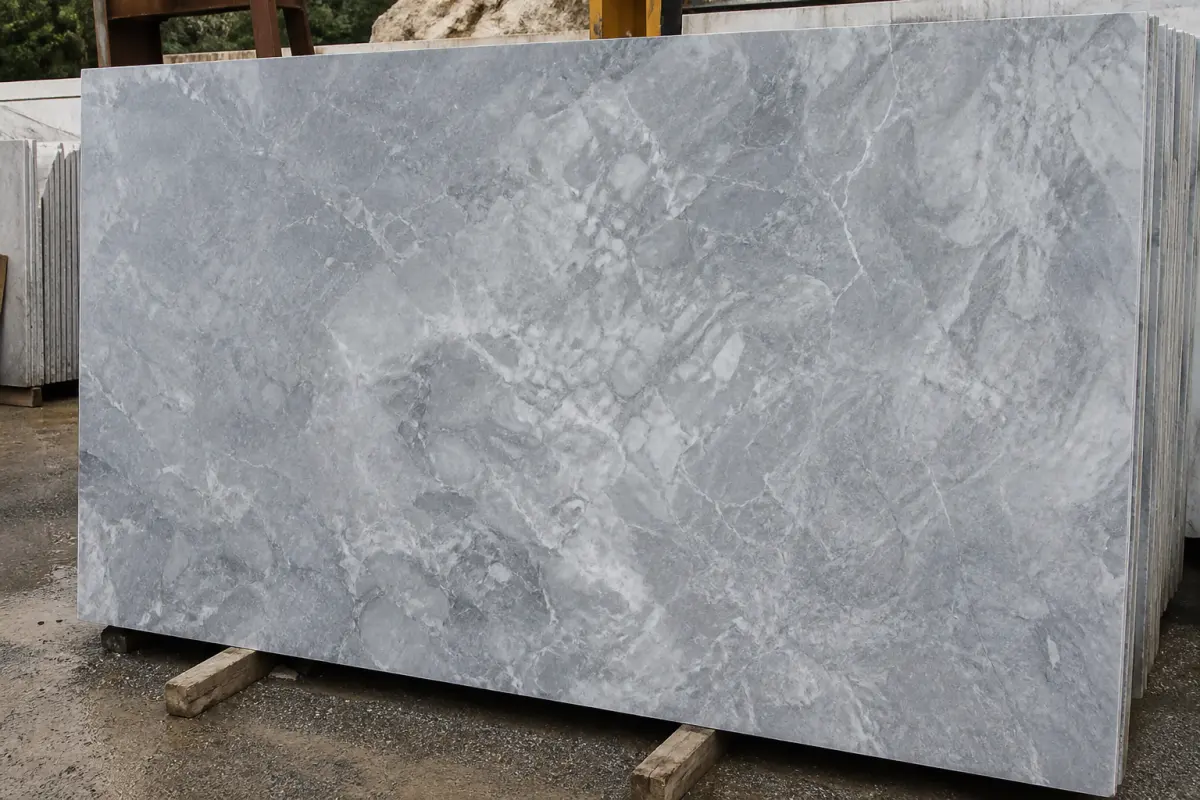
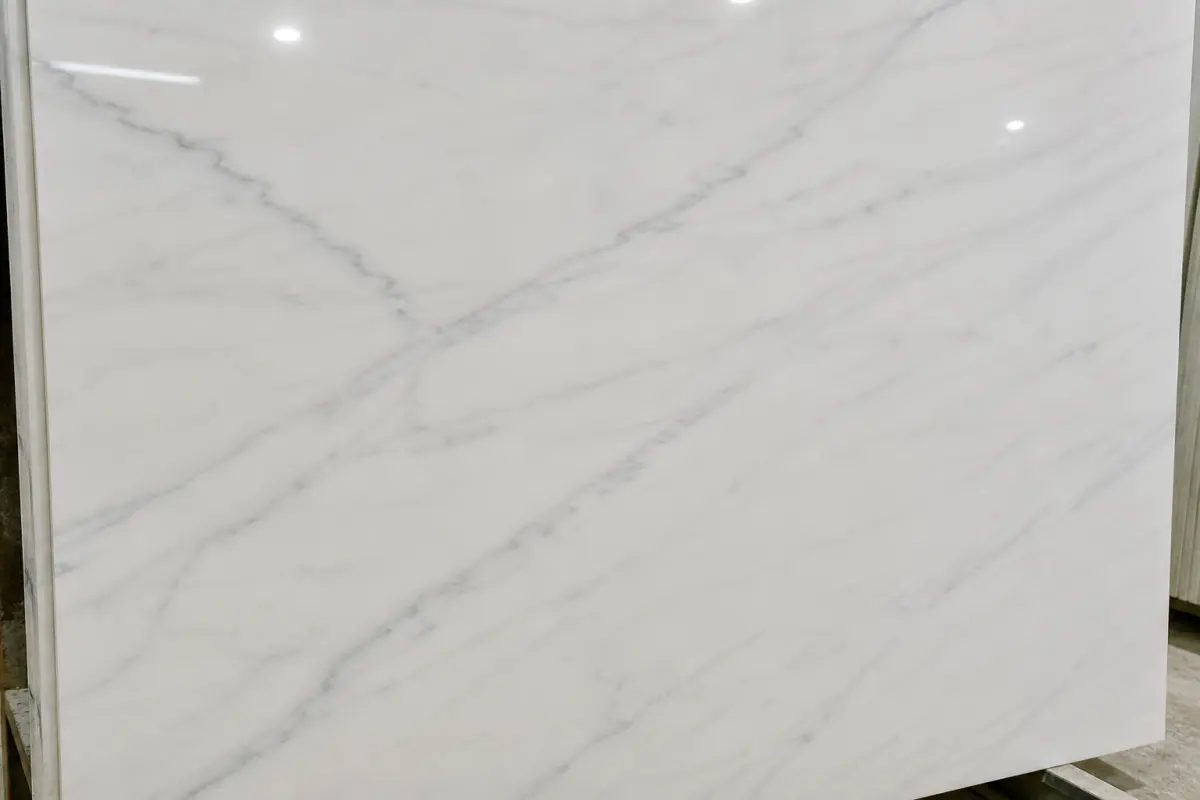
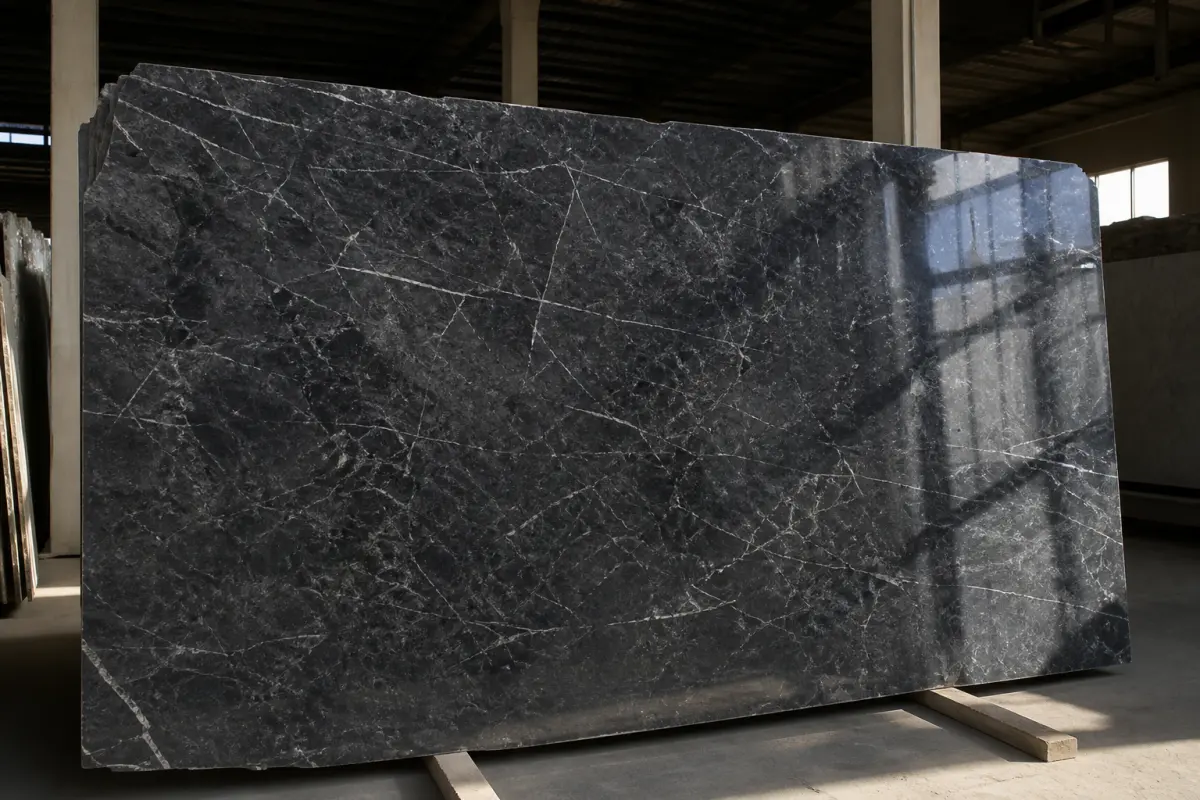
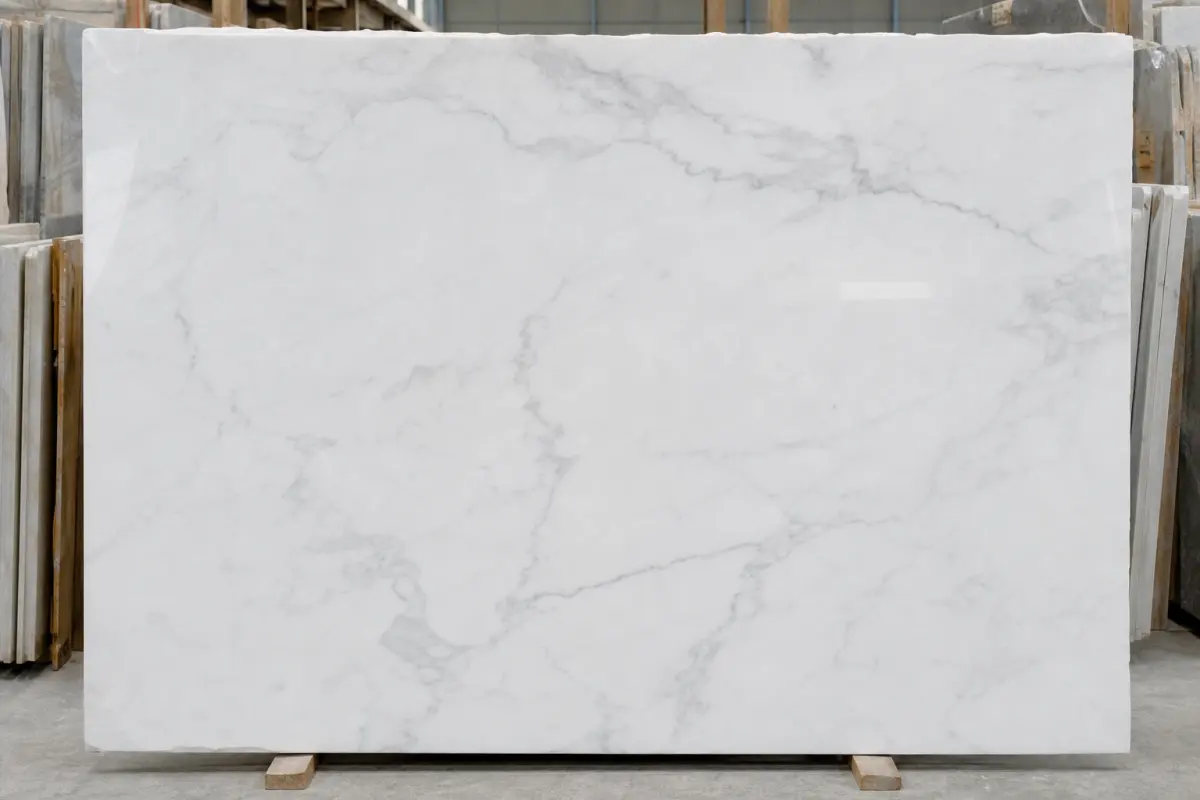
Match commercial names to samples: Bampokha, Super White, Badal grey, Nanser black—each should tie to a physical bundle photo with block number when possible.
Technical specification lock
Document thickness (2 cm vs 3 cm), finish (polished, honed, leathered where offered), diagonal tolerance for tiles, mesh backing rules, and acceptable vein colour range signed by architect. Include crate and packing standard for export. Reference product pages like black marble slab or Badal grey as baseline SKUs when applicable—not as substitutes without re-approval.
- Bundle photos dated within agreed freshness window.
- Slab count and square metres on proforma match BOQ line by line.
- Breakage liability defined ex-factory, in transit, and at port.
- Payment milestones tied to sawing, polish, and stuffing events.
- Third-party inspection clause for first order or new supplier.
Logistics and commercial terms
Define Incoterms explicitly: ex-factory Torwarsak, FOB Karachi, CIF destination. Name port, forwarder, and who pays Peshawar or Mardan staging. Seasonal road risk from Swat and Dir affects schedules—pad lead time versus Buner-only hauls. Compare district strategies in Buner vs Swat vs Dir before you accept a single-supplier monopoly without backup.
Run vetting through StoneVaults RFQ workflow
Verified supplier profiles on StoneVaults reduce anonymous trading: publish spec, compare bids, retain message and attachment history for audit. Use contact for platform help structuring LC-friendly milestones. A vetted KP marble supplier earns repeat business when documentation matches the stone that arrives—this checklist is the minimum gate before you trust any district name on a signboard.
Red flags that should pause payment
Refusal to show factory video while demanding large advance, entity name changes between proforma and invoice, slab photos obviously copied from another supplier’s social feed, or quotes far below market without tax line items—all warrant pause. KP stone is competitive but not magic; sub-market white marble quotes often omit resin, mesh, or compliant tax.
Pressure to skip inspection “because the container is loading tomorrow” is common near month-end. Hold stuffing until bundle numbers match approval unless contract explicitly accepts ship-at-risk with defined remedy.
Architect-specific vetting steps
Architects should require submittal packages: sample size, finish, absorption note for wet areas, and maintenance guidance for green or grey-white merged-district marbles. Link submittals to marketplace SKUs where possible so replacements five years later are not archaeological digs through old email.
For importers, align vetting with Torwarsak factory map visits or third-party QC on first order, then lighten inspection on repeat POs with the same shed and quarry face. Scale diligence to risk—mosaic bath packages differ from fifty-container white hotel deals.
Checklist summary for importers and architects
Legal identity confirmed; tax path matches LC; quarry and factory evidence on file; thickness and finish locked; logistics and Incoterms named; payment tied to milestones; inspection rights reserved; backup district identified. Run that sequence on every new KP supplier, then RFQ with confidence on StoneVaults.
Keep a supplier scorecard after first container: shade variance versus sample, breakage rate, invoice accuracy, and response time on claims. Architects benefit from the same scorecard when recommending fabricators to clients—reputation in KP stone is district-wide but earned factory by factory.
Reference allied guides when vetting niche origins: Mohmand white-green, Bajaur Nawagai grey-white, and Swat colour families each need sample-band sign-off beyond generic “KP marble approved.” Vetting is complete when documentation, stone, and commercial terms align—not when a supplier simply answers the phone.
Request proof of social-security or worker-comp compliance only when your corporate ESG policy requires it—many small Torwarsak sheds are informal but still produce export-grade polish; balance policy with realistic KP industry structure. Finally, store vetting packets in the same StoneVaults thread as the RFQ so successor buyers on your team do not restart from zero.
Before first wire, confirm beneficiary bank matches invoice entity and that SWIFT details were not sent from a different chat account—a common fraud pattern unrelated to stone quality but fatal to shipments. Vetting a KP marble supplier includes commercial hygiene, not only geology.