
Torwarsak and Swari concentrate Buner’s visible marble factory rows—gangsaws, blocks, and polish lines along valley roads. This supplier map helps buyers navigate the two hubs without confusing traders for mills.
If you ride the Malakand road through Buner with a stone buyer’s eye, two names repeat on signboards and local directions: Torwarsak and Swari. Together they form the visible spine of the district’s marble factory Buner cluster—the place where Bampokha and Nanser blocks become slabs, half-slabs, and sometimes tiles before trucks head toward Mingora, Mardan, Peshawar, or Karachi. Understanding Torwarsak and Swari is not tourism; it is supplier due diligence for anyone serious about quarry-adjacent pricing.
Industry counts attribute the majority of Malakand Division’s roughly 700 marble factories to Buner, with hundreds along these corridors. You will see wire-saw frames, water tanks, block yards, and polish lines stacked along narrow roads—evidence of decades of processing culture, not a single corporate park.
Torwarsak marble factories: what buyers see
Torwarsak hosts dense processing—gangsaws cutting Bampokha whites and greys, traders marking block numbers in chalk, night shifts when power returns. Factories range from integrated saw-polish-pack units to saw-only sheds that sell half-slabs to job shops in Swari or Maskini. When a supplier says “Torwarsak factory,” ask which lane and whether they own blade time or rent it.
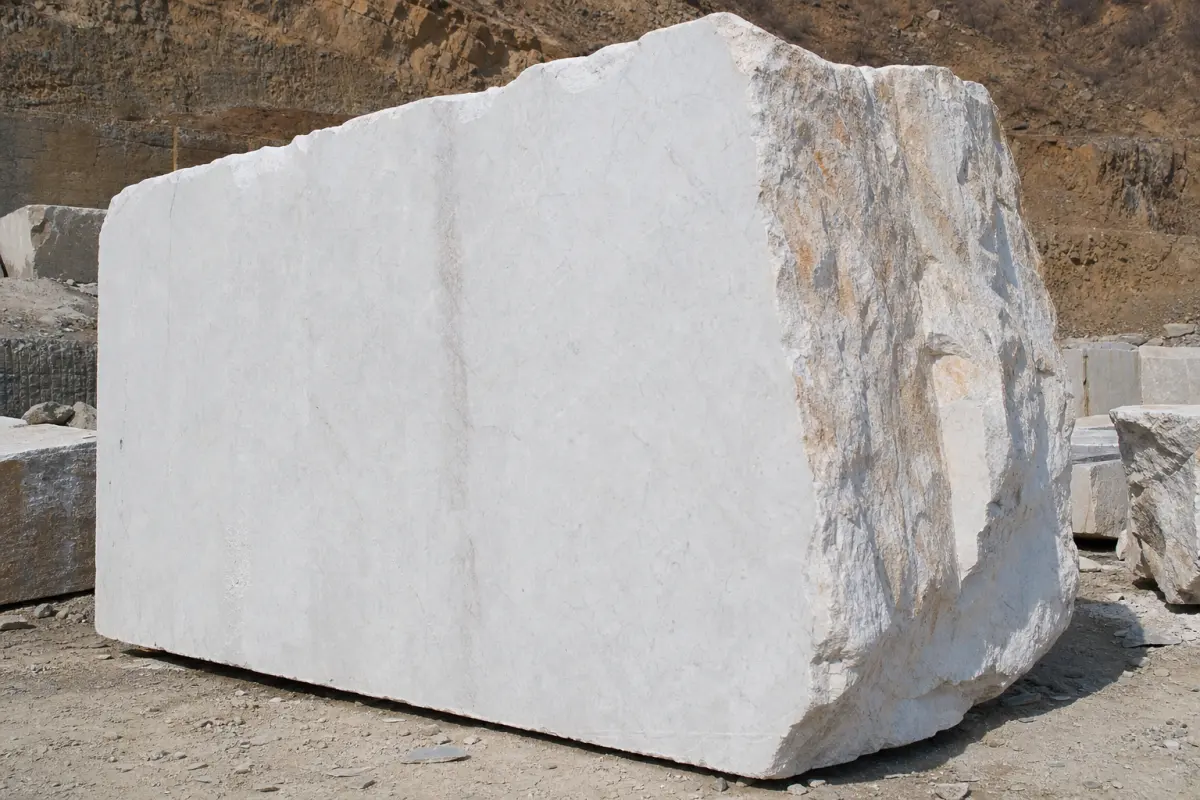
Blocks arrive from quarry roads above the valley; raw block quality determines yield more than polish brand. Buyers should reference quarry extraction methods when inspecting Torwarsak output—blasted faces still arrive daily, and slab lists must discount expected defects.
Swari marble factories: processing neighbour to Torwarsak
Swari mirrors Torwarsak’s ecosystem with its own factory alleys and block stacks. Some family groups operate in both villages; logistics are interwoven. Swari suppliers may offer better polish-line access for specific finishes or faster truck loading toward Chakdara depending on daily traffic—details only matter at RFQ scale, but worth asking when lead time is tight.
Do not assume Swari is “higher quality” than Torwarsak by reputation alone. Quality is block-specific and factory-specific. Demand bundle photos from the exact shed you are funding.
Navigating the supplier map safely and efficiently
Plan visits with local daylight and dry weather; road shoulders are working space for cranes. Wear site-appropriate footwear; yards are wet from slurry. Bring thickness gauges and sample tiles from prior orders. Many factories welcome serious buyers but have no time for casual tourists—book appointments through StoneVaults RFQ or association introductions when possible.
- Identify saw-only vs polish-capable units before negotiating finish.
- Confirm block marks match quarry claims (Bampokha, Nanser, Chamla).
- Ask power schedule—links to load shedding realities.
- Separate trader offices from factory gates; “map pin” should be the gangsaw.
From Torwarsak and Swari to export SKU
Polished slabs for export often map to listings like Bampokha No.1 or grey and black companions from the same yards. Tiles may come from bridge-saw lines—confirm 60×60 tile specs if mixed with slab orders. Tax-compliant invoicing post-PATA changes affects how Torwarsak factories quote CIF—budget accordingly using our tax research brief.
RFQ Torwarsak and Swari suppliers on StoneVaults
Instead of cold-driving every lane, publish quantity and finish on StoneVaults and invite verified Buner suppliers to bid with factory location declared. Attach BOQ lines for blocks via raw block categories when slab polish is not needed. Torwarsak and Swari reward prepared buyers—map in hand, specs clear, payment milestones tied to saw progress.
Chamla, Kabal, and feedstock into Torwarsak
Not every block in Torwarsak yards carries a Bampokha paint mark. Chamla whites and material trucked from Kabal sub-district share the same saws—buyers must read bundle tags and ask quarry name at order time. Elai and Chagharzai families also appear in industry literature as white and grey contributors to Malakand tonnage. When shade continuity spans two quarry faces, suppliers sometimes mix within tolerance; tighten architect sign-off if zero mixing is required.
Visiting Torwarsak and Swari: practical buyer notes
Overnight stays often land in Mingora or local guesthouses on the Malakand road; start factory rounds early before slurry traffic peaks. Bring PPE basics—wet floors, flying grit, and open blade pits are normal. Interpreters help but numeric specs (2.0 cm, 3.0 cm, square metres) should live on paper every time. Photograph block faces before saw entry if dispute resolution matters on your first order.
Associations and marketplace introductions reduce cold-walk rejection at gates. Serious volume buyers should plan two trips: first to shortlist three sheds, second to run trial bundle on the winner—Torwarsak and Swari suppliers respect buyers who return with clear PO language, not tourists collecting photos.
Water recycling and slurry pits vary by factory age; environmental compliance is uneven but improving where larger units invest. That does not change your immediate SKU need but signals which sheds can sustain export volume without shutdown risk. Maskini job shops downstream of Torwarsak remain options for cut-to-size vanity and mosque panel work when primary factories are blade-full.
Link every Torwarsak visit outcome to a written RFQ on StoneVaults—even if you handshake locally, platform records protect both sides on shade, thickness, and delivery week when load shedding shifts the queue.
Nanser black and Bampokha white bundles often share trucking to Peshawar on the same flatbed—confirm strapping and separation so black dust does not scratch white polish in transit. Swari loading queues peak mid-week; schedule visits accordingly if you need same-day slab photography for client submittals.
Factory associations in Malakand occasionally publish member lists—cross-check membership claims when a broker says “official Torwarsak factory.” Membership is not a quality guarantee but confirms the shed exists in the cluster map buyers expect.