Choosing between Buner, Swat, and Dir suppliers is not about which district is “best”—it is about match between colour, volume, stone type, and logistics. This comparison helps architects and importers pick the right KP marble and granite source.
Every week a buyer asks which district wins: Buner, Swat, or Dir. The honest answer is that each sits on a different point of the same northern supply chain. Buner vs Swat vs Dir is not a beauty contest—it is a fit test between your BOQ, your stone type, and the factory density available to process it. Malakand Division’s famous statistic—that roughly 500 of about 700 division marble factories sit in Buner—tilts volume white and grey marble toward Buner’s Torwarsak and Swari belts. Swat brings PASDEC-cited reserves and Mingora-linked trade flow. Dir skews granite-heavy in industry descriptions, with marble that must be validated lease by lease.
This guide compares supplier ecosystems so you can shortlist districts before you RFQ. Cross-read our dedicated pieces on marble suppliers in Buner, marble suppliers in Swat, and Dir marble and granite suppliers for depth on each node.
Buner vs Swat vs Dir at a glance
Buner excels when you need repeatable white and grey marble slabs, block export, or tight coupling between Bampokha-style quarries and gangsaw rows. Factory count and skilled blade labour are the advantage. Power and tax compliance are the friction points—see load shedding and factory tax research.
Swat fits curated colour programmes, mixed hospitality stone, and buyers who can work through Mingora for samples and logistics. Blocks and slabs move interchangeably with Buner; verify where sawing happens. PASDEC reserve figures support long-term sourcing narratives but do not replace slab approval.
Dir fits granite-forward specs, exterior hard stone, and buyers willing to coordinate extraction in Dir with polish in Mardan or Peshawar. Marble from Dir is possible but rarely substitutes for Buner homogeneous white at scale without careful sorting.
When Buner suppliers win the project
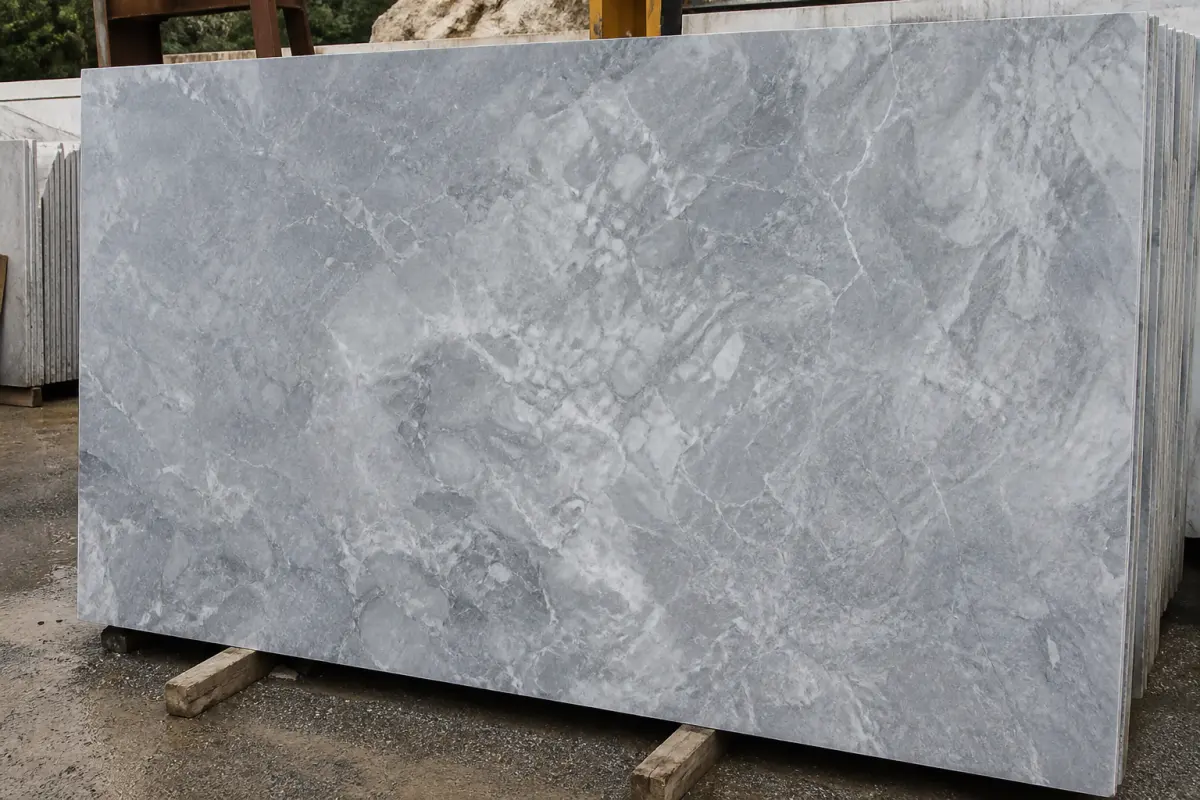
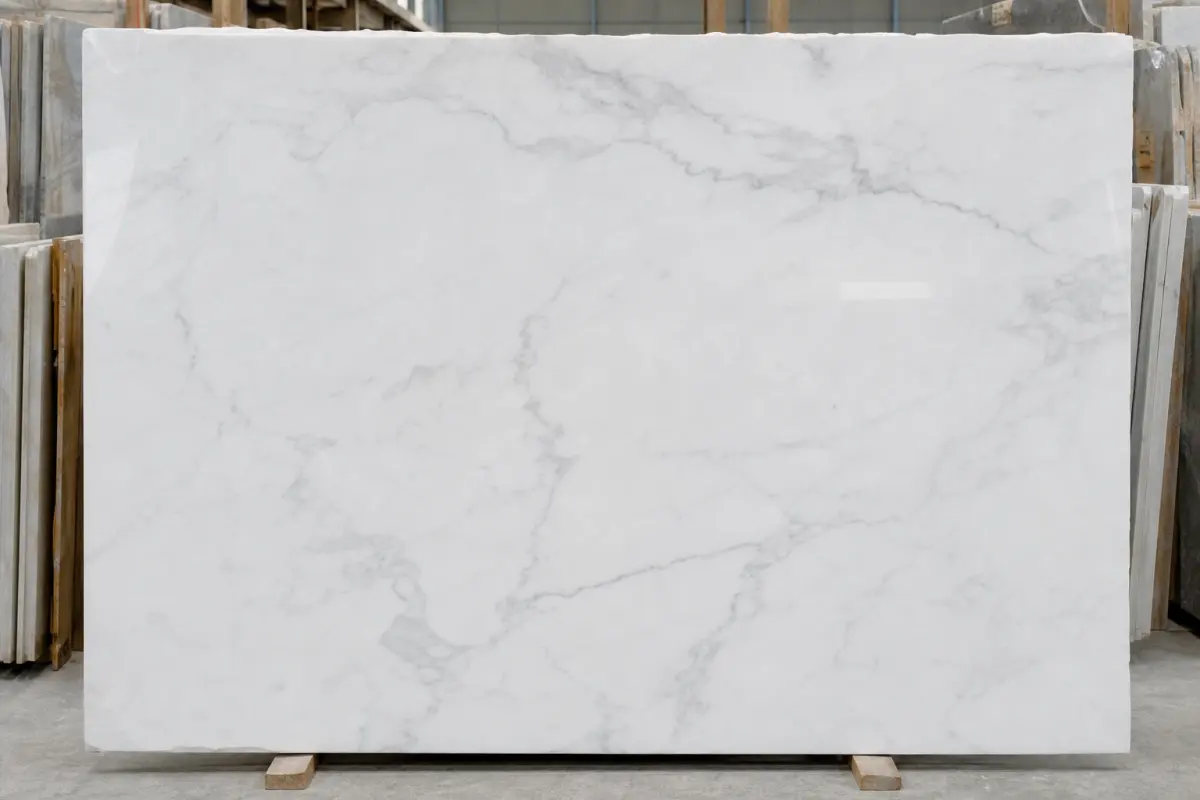
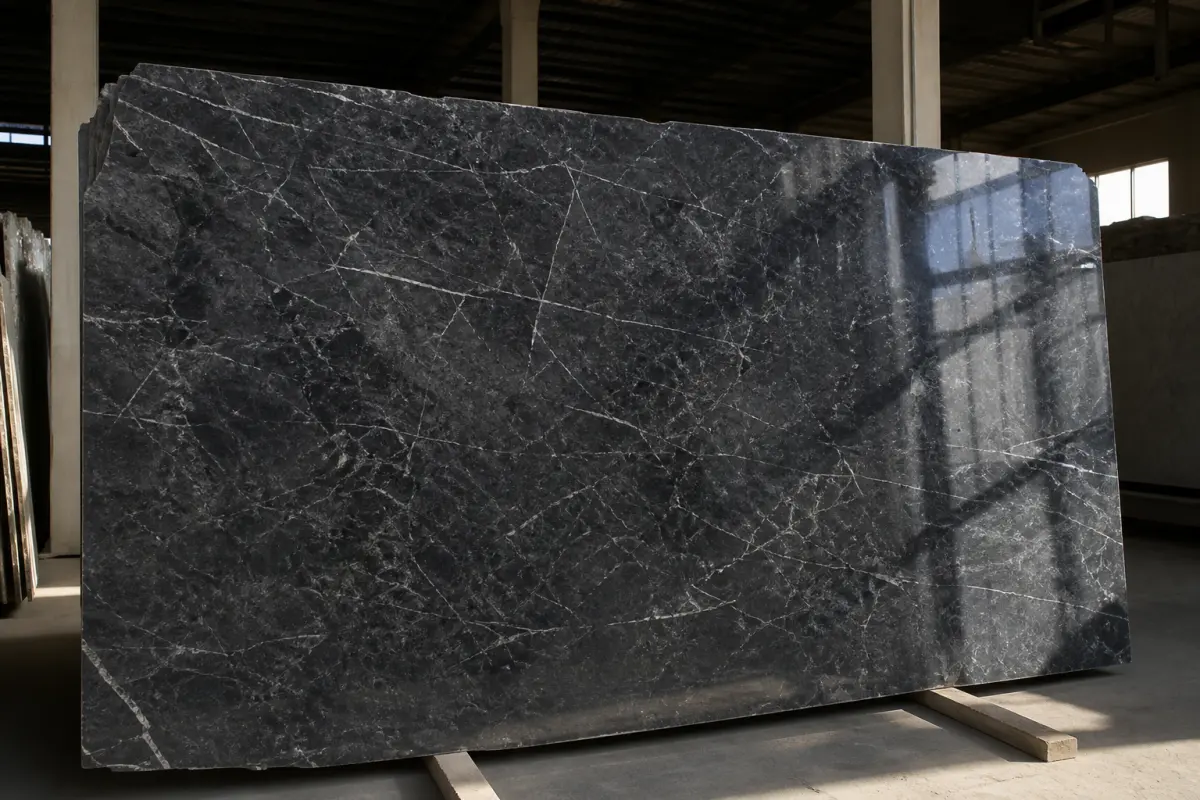
Choose Buner when volume, polish infrastructure, and commercial names like Bampokha No.1 or Super White must hit a Gulf hotel schedule. Reference SKUs such as Bampokha No.1 white, Super White, Badal grey, and Nanser-type black map cleanly to Buner factories. Container programmes and repeat shade matching favour this district.
Buner loses relative advantage when your project is small-format domestic tile only and trucking to Karachi erodes margin—in those cases compare ex-factory tile from Buner with regional Swat or Mardan suppliers.
When Swat or Dir suppliers make more sense
Swat suppliers suit projects needing distinct veining, green or banded marbles, or flexible lot sizes for Peshawar and Mardan sites with shorter hauls. Dir suppliers suit granite countertops, paving, and façade panels where marble would weather poorly. Mixed buildings—marble lobby, granite service areas—often split RFQs: Buner or Swat for interior marble, Dir for granite, unified on StoneVaults under one buyer account.
Logistics comparison for Karachi and export
All three districts ultimately share Malakand road corridors south. Buner’s factory density can shorten “block to polished slab” cycle time. Dir adds quarry-to-saw staging time if local polish is limited. Budget port-bound containers with common trucking to Karachi and clarify packing location—many export crates still finalize in Karachi yards.
- Large white marble containers: prioritize Buner factory-direct.
- Distinctive Swat colours with Mingora sample access: prioritize Swat-declared origin.
- Granite performance specs: prioritize Dir with downstream Mardan processing.
- Always require declared saw plant and extraction lease for “direct” claims.
Run a three-district RFQ on StoneVaults
Instead of guessing Buner vs Swat vs Dir, publish your thickness, finish, square metres, and reference photo on StoneVaults. Let suppliers declare district and factory. Compare landed quotes and inspection options, then lock a primary and backup district for phase two. That workflow turns regional geography into a documented sourcing decision—not a WhatsApp rumour.
Architectural scenarios: which district leads
Hospital and airport terminals with large grey floor plates often blend Buner grey slabs with Dir granite skirting—spec two RFQs rather than forcing one district to improvise outside its strength. Boutique hotels with green Swat feature walls and Buner white corridors are common; sequence deliveries so installers are not mixing wet-set epoxies across incompatible absorption rates without guidance.
Monument and mosque work across Peshawar, Mardan, and Karachi frequently sources white marble by availability: Buner for polish repeatability, Swat for donor-specified local stone stories, Mohmand or Bajaur when green or grey-white tones fit traditional aesthetics. Document the district choice in submittals so future maintenance orders can trace quarry family.
Risk pooling across Buner, Swat, and Dir
Single-district dependency burned importers when 2020s power queues delayed Torwarsak polish for weeks. Maintain a vetted Swat or Mardan backup for white programmes and a Dir or import backup for granite. Cross-read factory tax and quarry-method research so your backup supplier is compliant, not just fast. Buner vs Swat vs Dir becomes a portfolio—not a one-time pick.
Quantity discipline matters: Swat PASDEC reserve narratives support investor decks, but your phase-one tower needs active Torwarsak blade hours this quarter. Dir granite suits podium and kerb packages where abrasion beats acid sensitivity. Score each district against BOQ line items, not against social media photos of Mingora scenery or Malakand road traffic.
Karachi architects sourcing for Gulf clients should note port packing timelines: Buner white may leave Torwarsak faster than Dir marble that still needs Mardan calibration—compare landed dates, not ex-quarry anecdotes. Mohmand and Bajaur accents belong in decorative line items, not homogeneous floor fields unless samples explicitly allow variation bands.
Importers maintaining safety stock in Karachi should align primary Buner supply with Swat colour accents only after first-container shade sign-off—mixing districts without data creates expensive rework on tower fit-outs.