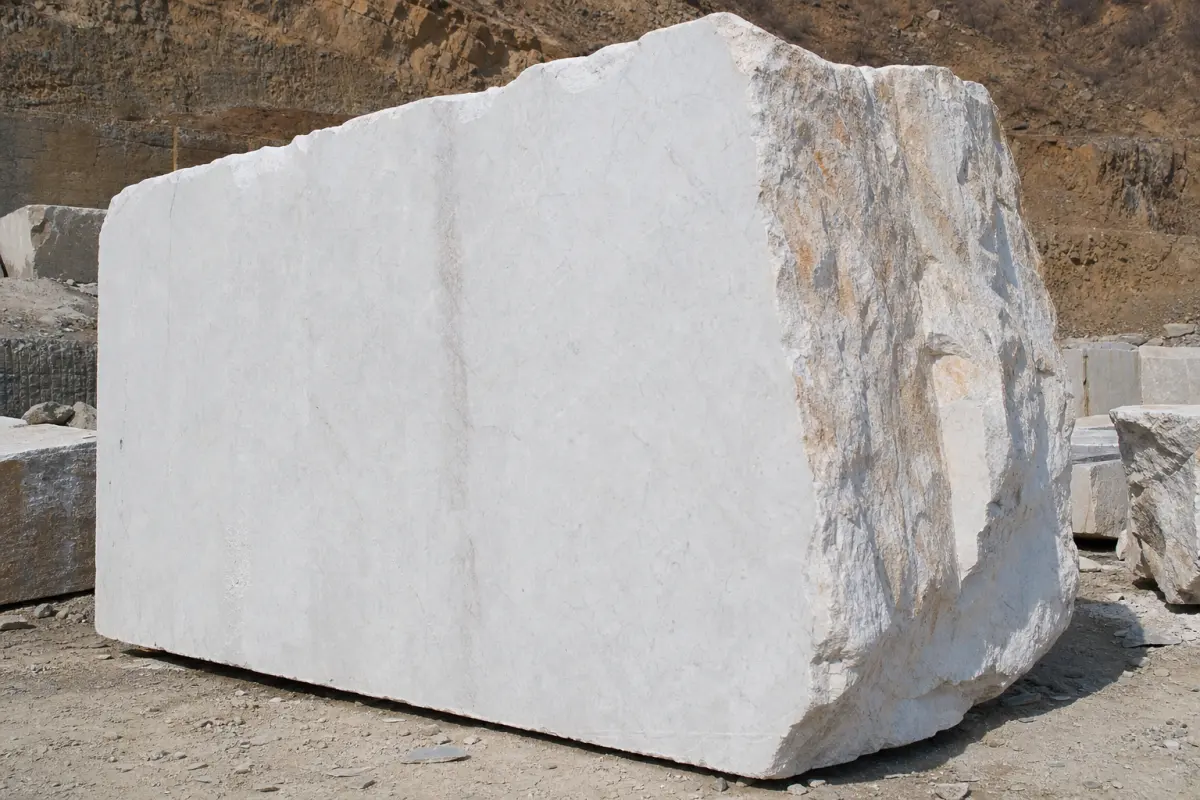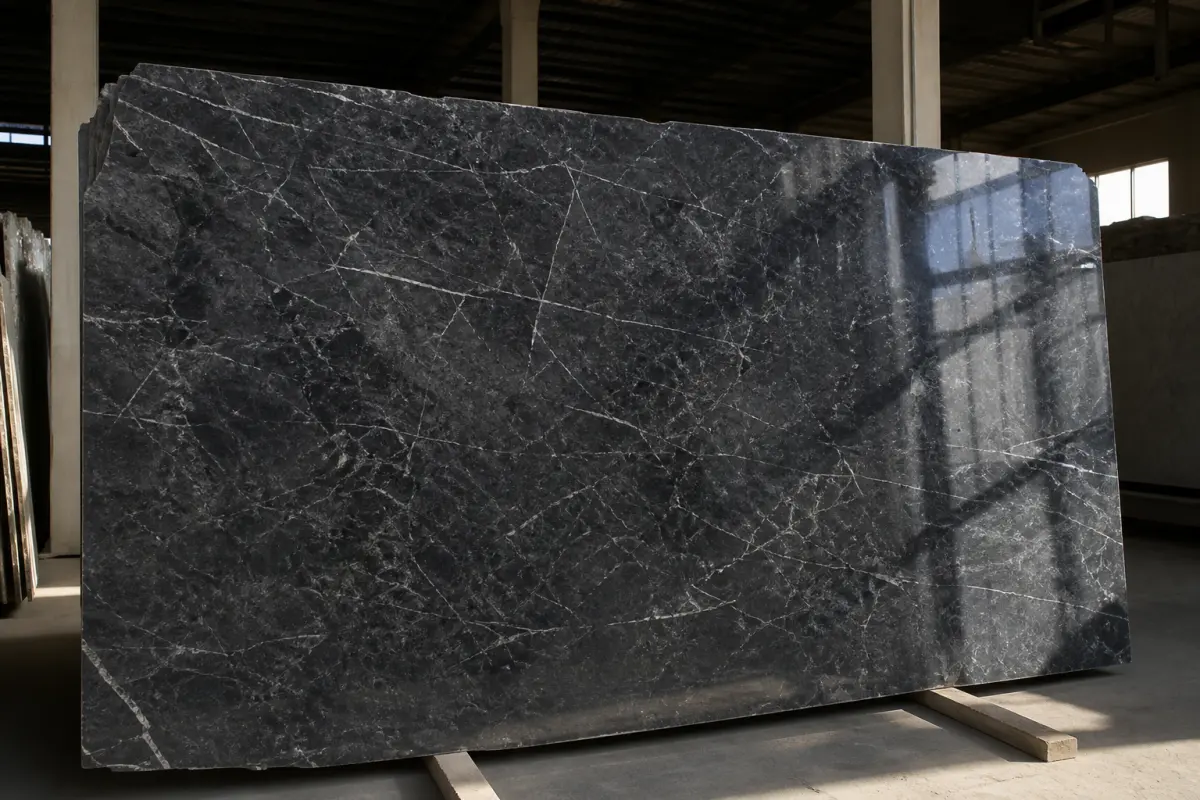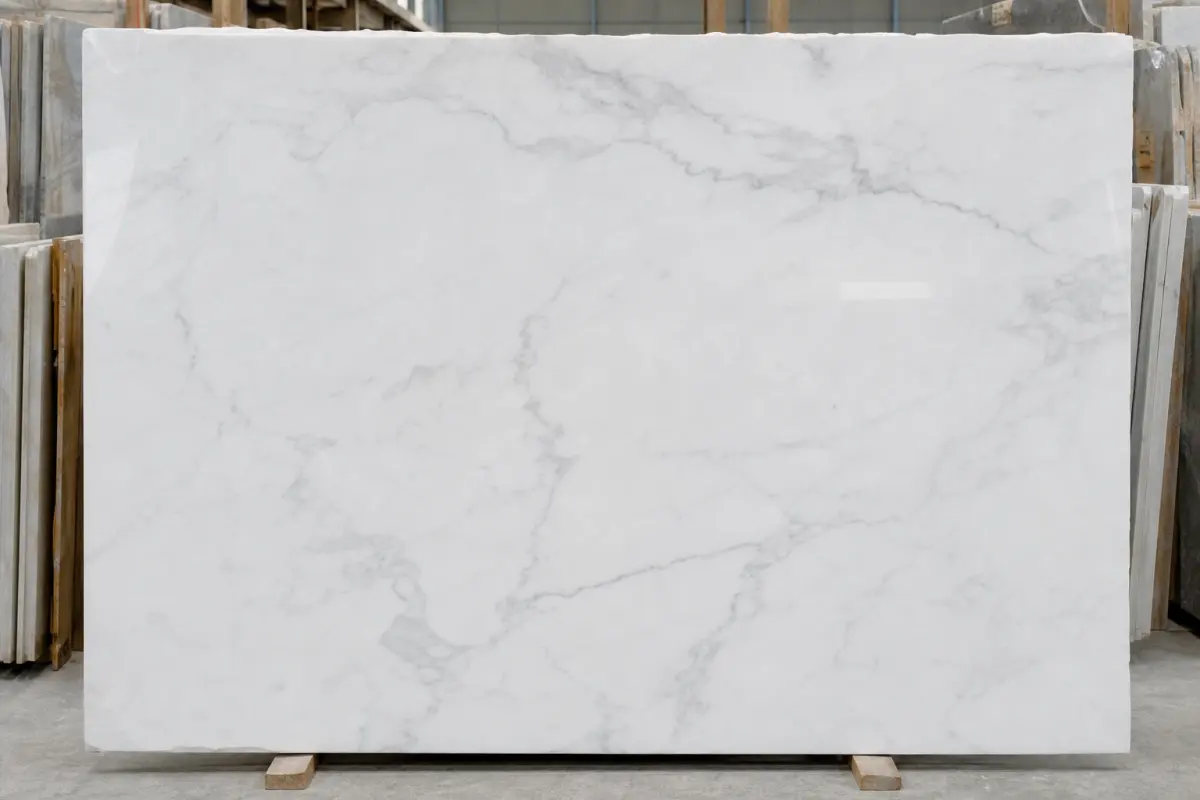
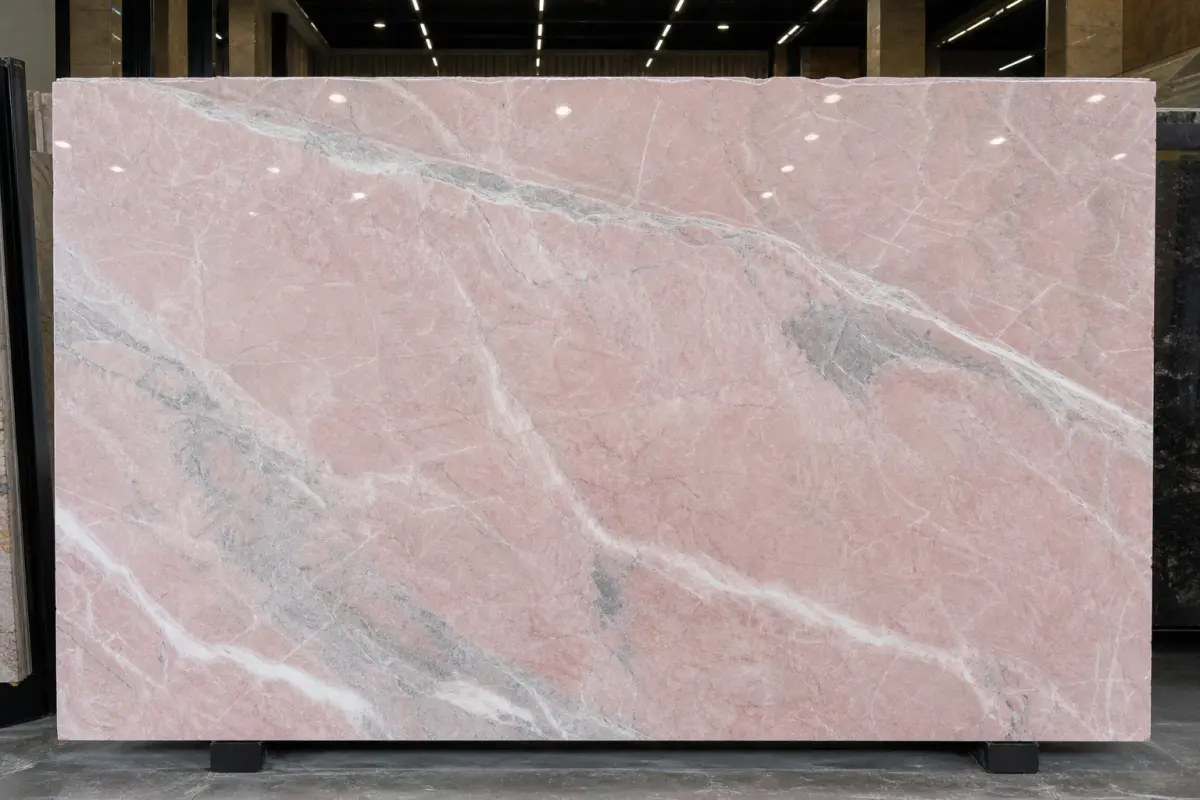
Bajaur District—including Nawagai—supplies grey-white marble for regional construction and niche export. This guide covers Bajaur marble suppliers, Nawagai stone character, and practical buying through KP trade corridors.
Bajaur marble suppliers serve a district at the north-western edge of Khyber Pakhtunkhwa’s merged tribal districts, with Nawagai named in trade talk as a reference point for grey-white marble suited to local mosque work, residential flooring, and smaller export lots. Bajaur is not Buner: you will not find hundreds of gangsaws in one valley view. Value here is material character and mine-adjacent pricing on stone that Peshawar wholesalers later blend into wider “KP grey-white” inventories.
Buyers should approach Nawagai grey-white as its own SKU family—compare against Badal grey from Buner for hardness, polish gloss, and vein density, not assume identity.
Nawagai grey-white marble: what to expect
Grey-white Bajaur marble typically presents softer grey fields with white movement—appealing for traditional interiors and mid-budget flooring across Peshawar and Mardan markets. Export buyers use it for mixed containers where price per square metre matters more than brand name recognition. Volume consistency requires lease stability; ask suppliers about seasonal extraction and whether current blocks match your approval sample from six months prior.
Processing often routes through Peshawar or Malakand Division mills. Mine-direct savings shrink if you ignore downstream saw and polish costs—model fully delivered slab pricing before comparing to integrated Buner quotes.
Working with Bajaur marble suppliers on logistics
Road corridors from Bajaur toward Peshawar define lead times and trucking rates. Security and access protocols differ from Malakand factory tours; serious buyers coordinate with suppliers on visit timing and documentation. For Karachi export, factor consolidation time in Peshawar yards and standard port packing—same patterns described in our Peshawar wholesaler guide.
Invoicing and tax registration may involve smaller operators; use our KP supplier vetting checklist before large transfers.
Quality checks specific to Bajaur and Nawagai material
Inspect for fissures amplified by blasting; ask if wire sawing is available on newer faces. Check polish under wet and dry light—grey-white can look uniform dry and reveal tone banding when sealed. For tile orders, confirm calibre and diagonal tolerance; Bajaur suppliers may subcontract tile to Mardan lines.
- Sample Nawagai grey-white against Buner grey for BOQ substitution decisions.
- Declare Peshawar or Karachi delivery in RFQ to compare true landed price.
- Verify block or slab photos with date stamps for repeat orders.
RFQ Bajaur and Nawagai stone on StoneVaults
List grey-white requirements, square metres, and tolerance for green or brown veins on StoneVaults. Bajaur-linked suppliers and Peshawar consolidators can respond with origin declarations. Pair with Mohmand or Buner lines when architects specify multi-tone KP stone in one project—one RFQ, multiple verified bids.
Nawagai grey-white in mosque and public architecture
Regional mosque committees often prefer locally named stone for donor recognition even when Buner white is technically brighter. Nawagai grey-white fulfils that narrative at moderate cost—document donor-approved samples on site walls to prevent mid-build substitution arguments. For export, the same stone works in traditional restaurant and spa interiors targeting South Asian diaspora aesthetics.
Scaling from sample to container
Start with Peshawar yard samples if Bajaur mine visits are constrained; escalate to mine-direct blocks once shade band is signed. Container programmes need bundle sequencing photos—grey-white can shift between faces. Require middle-bundle inspection on orders above defined square metres. Cross-check Mohmand guide when mixing merged-district marbles in one elevation.
Electricity and polish subcontract paths mirror wider KP: Bajaur ex-quarry plus Mardan polish plus Karachi pack is a common cost stack—compare against integrated Buner slab quotes before you celebrate low quarry price.
Nawagai grey-white competes with trader labels like “KP grey” in Peshawar—insist on written Nawagai or Bajaur origin when local content rules or donor narratives require it. For Karachi high-rise grey floor programmes, test slip and abrasion against Buner Badal samples; grey-white Bajaur may meet aesthetic need while Badal meets homogeneity at scale.
StoneVaults buyers attach mosque or villa BOQs with tolerance for mild green streaks; Bajaur suppliers respond with bundle photos rather than promises. That discipline keeps Bajaur marble suppliers credible on platform repeat orders.
Regional contractors in Peshawar and Mardan often know Nawagai grey-white by local name while export spec sheets say “KP grey white marble”—align both on signed samples. Winter extraction pauses can tighten supply; forward-buy bundles into Peshawar staging when monsoon or security disruptions loom on Bajaur routes.
Compare Nawagai pricing with trader offers labeled only “Malakand grey”; the cheapest line may be Buner Badal sawn elsewhere without Nawagai donor story you promised the client.
Bajaur supply chain partners
Mohmand and Bajaur material sometimes travels together to Peshawar on regional flatbeds—separate bundle marks before payment if your BOQ treats districts as distinct submittal lines. Mardan polish shops familiar with merged-district blocks can advise on resin needs for softer grey-white before you reject quarry faces prematurely.
For export, Nawagai grey-white works in mixed containers with Buner white field tile when grout joints and lighting tame tone shift; mock up a two-square-metre panel in Karachi before scaling. StoneVaults RFQs should state Nawagai explicitly so responders do not substitute Badal without approval.
Local Nawagai names appear on mosque donation plaques across Peshawar and Mardan—use that cultural value in marketing only when supply chain proof supports the claim. False locality claims erode trust faster than shade mismatch in small communities tied to stone trade.
Importers comparing Nawagai grey-white to Badal grey should run side-by-side polish samples under project lighting before locking BOQ substitution clauses.
StoneVaults listings tagged Pakistan help Bajaur-linked suppliers reach Karachi importers without relying on word-of-mouth Nawagai references alone.