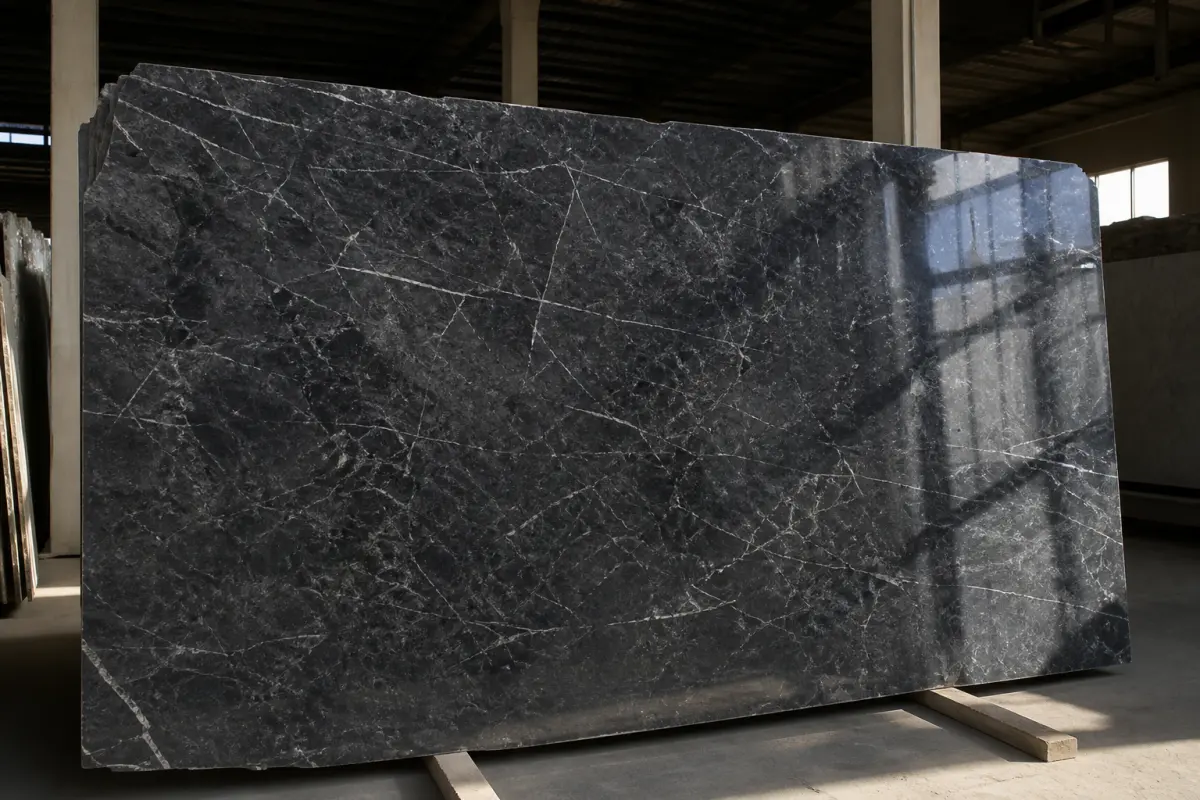
Swat District’s green marbles offer banded and deep-green character for feature walls, mosques, and export accent work. This guide covers commercial varieties, typical applications, and how to reach Swat-linked suppliers through Mingora and StoneVaults.
Green marble from Swat fills a different niche than Buner’s white and grey volume stone. Bands of serpentine-rich green, forest tones, and lighter mint backgrounds appear in Swat Valley leases documented in provincial mineral planning alongside the district’s wider marble and granite portfolio. You will not ship ten containers of Swat green for a generic office floor the way you might Badal grey—but for mosque dados, hotel feature walls, lobby inlays, and export accent lots, Swat green is often the colour story architects want when white marble alone feels too cold.
Swat suppliers and Buner factories trade labour and blocks constantly. A “Swat green” slab may have been quarried on a Swat face and polished in Torwarsak, or cut in Mingora job shops from a block that crossed district lines on a flatbed. Direct buying means asking where extraction happened, where primary sawing happened, and who grades the bundle—not assuming one showroom name equals one quarry.
Varieties and what names mean on the market
Commercial labels follow villages, ranges, and trader habit more than a single national standard. You may hear deep green with white veining, lighter pistachio backgrounds, or banded material sold for decorative cladding. Treat every name as a hypothesis until a sample under your lighting proves it.
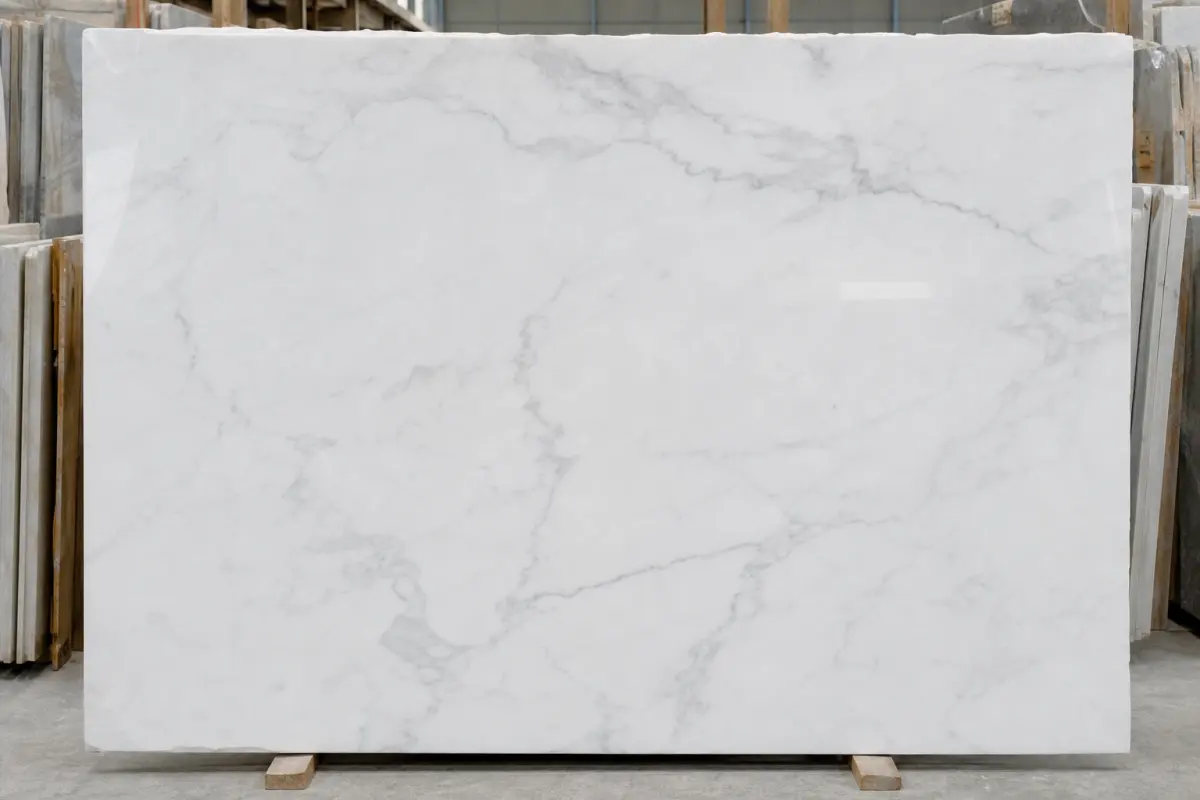
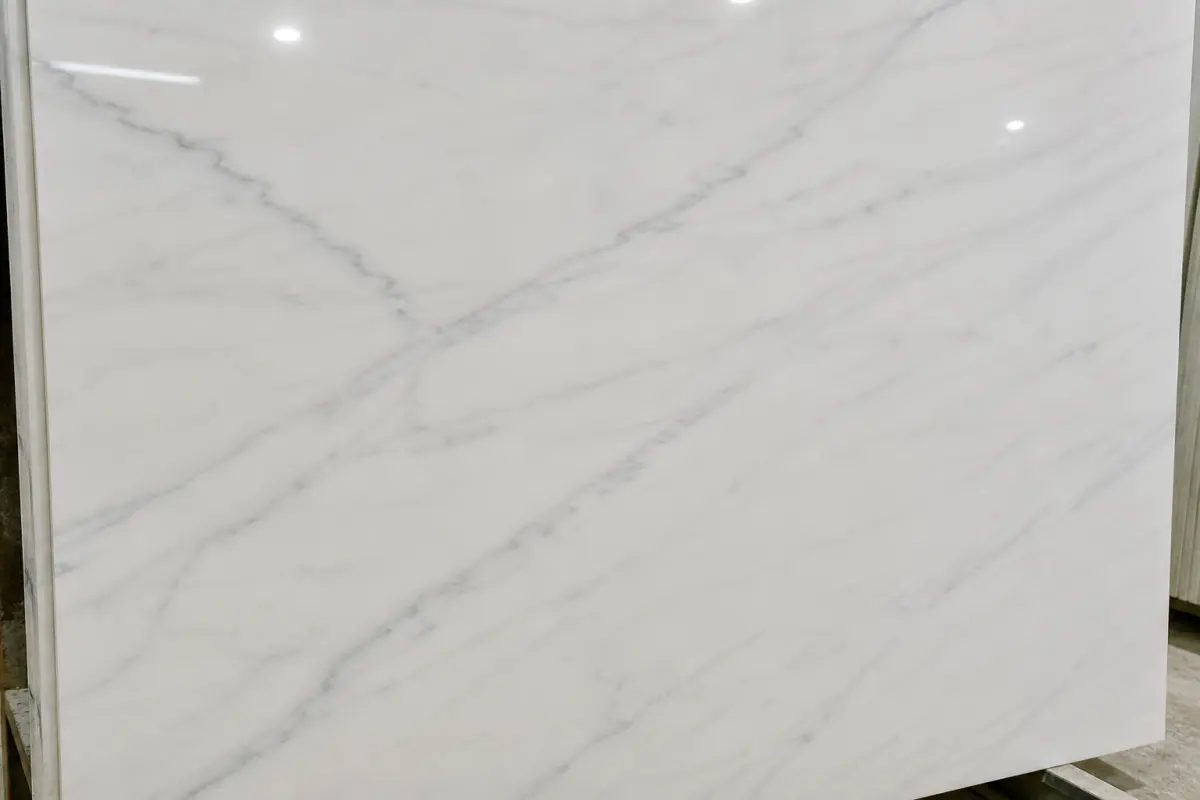
Pairing is part of the variety story. Green feature walls often sit beside Bampokha white or Super White Buner fields; some programmes use green floor medallions with grey corridors sourced from Buner Badal families. Document contrast and joint width in RFQs so fabricators know whether green is structural field or inset decoration.
Applications where Swat green performs
- Feature walls and dados in hospitality and religious architecture where colour is the design point.
- Inlays and borders combined with white or black from Malakand belt suppliers.
- Stair risers and lobby accents when honed finish reduces glare on saturated colour.
- Export accent containers mixed with high-volume white slabs to diversify SKU without doubling logistics.
Wet-area and exterior use require honest geology conversation: not every green behaves like dense granite. Ask absorption, recommended sealers, and maintenance for the specific lot—not generic “marble care.”
Local suppliers: Mingora, factories, and cross-district trade
Mingora functions as Swat’s commercial hub—banks, forwarders, and stone traders within reach of quarry roads. Many buyers review green samples in Mingora showrooms while production sits in a named factory along the Swat or Malakand corridor. That is acceptable if the supplier shares factory video, bundle IDs, and packing photos before payment milestones.
Some Swat material sawed in Buner benefits from the division’s dense gangsaw capacity but inherits Buner’s power and tax realities. Load shedding still shapes polish dates; see electricity and load shedding in Buner marble factories for parallel constraints on cross-district processing. Sales tax phase-in on erstwhile PATA industrial supplies affects invoices on Malakand mills—outlined in our Buner factory tax research.
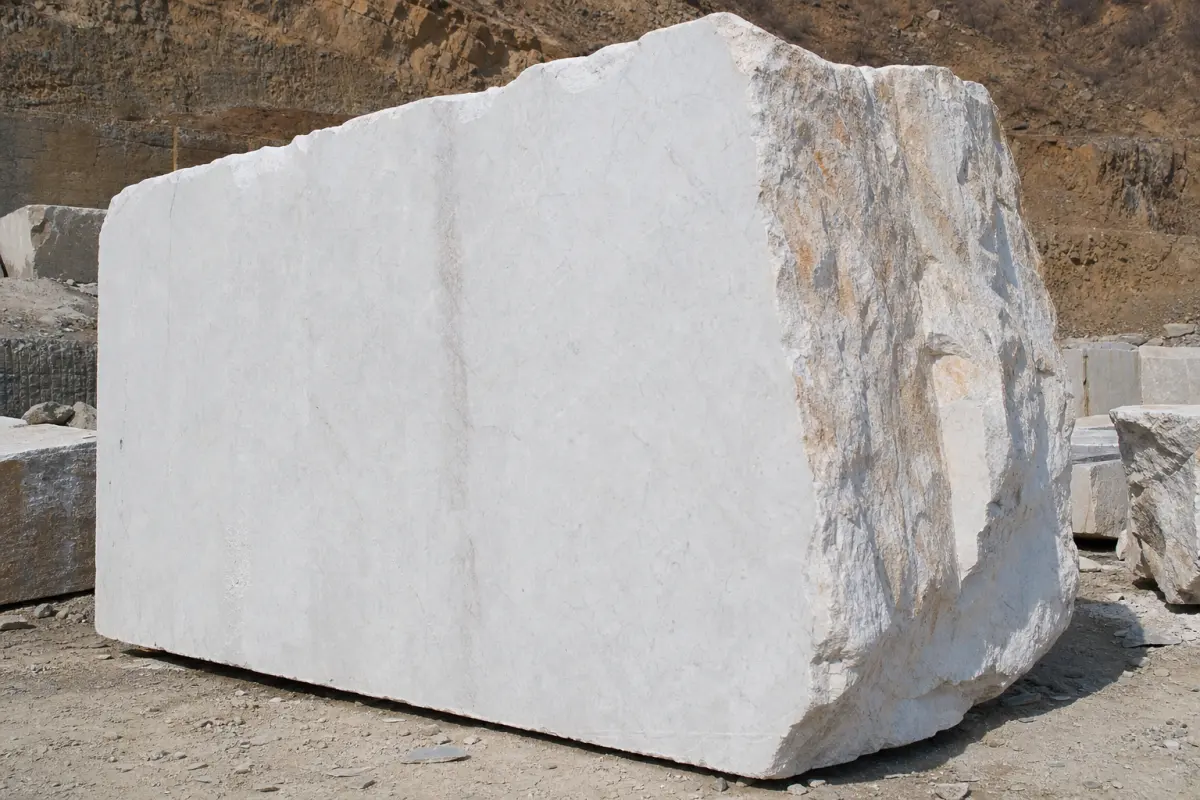
Block buyers can shortlist quarry-origin lots via raw block listings when green programmes start at extraction rather than polished slab.
Quality, extraction, and yield
Green benches share the same extraction debate as white: blasting is cheap early and costly in waste; wire saws improve regularity when grades justify capital and power. Our research on blasting versus wire saw tools applies to any Malakand face, Swat included. Green with internal fractures is expensive to polish to mirror finish—match grade to application.
How to RFQ Swat green on StoneVaults
Publish square-metre or slab count, thickness, finish, and allowed colour movement on the StoneVaults marketplace. Attach a reference photo from your designer, state whether green must be single-block continuous, and list port or city for landed comparison. Swat-linked suppliers with real inventory respond; traders without current stock filter themselves out.
Green marble from Swat is not a white-marble substitute—it is a deliberate colour choice. Buyers who specify it with the same rigour as Buner whites get reliable accent stone; buyers who treat it as an afterthought get streaky bundles and angry site supervisors.
Design pairings that work on Pakistani projects
Mosque interiors often combine Swat green dados with Buner white column cladding—spec joint width and skirting transitions so fixers do not invent details on site. Hotel lobbies use green feature walls behind reception desks while guest floors stay grey or white for cost control. Export mixed containers sometimes allocate ten percent green accent slabs against ninety percent white field stone; write container allocation in the contract so packing teams do not bury green at the back of the stack.
When green must match across two shipments months apart, reserve block or bundle IDs at the Swat or Torwarsak factory. Green benches shift faster than grey; “same name” reorders without IDs are the main source of accent-wall mismatch complaints.
Inspection without visiting the valley
Video walk-throughs of bundle faces, daylight photos, and thickness gauge clips on random tiles beat showroom samples that were polished months ago. Third-party inspection from Peshawar or Islamabad is increasingly common for green accent lots above threshold value—budget it early.
Export and domestic pricing differences
Swat green accent slabs rarely fill entire containers; suppliers price smaller lots with higher handling per square metre. Domestic mosque projects may buy locally and skip export crating costs—compare ex-factory Swat or Torwarsak quotes against Karachi FOB only when your BOQ actually ships overseas. Tax-inclusive mill quotes follow the same Malakand phased schedule as Buner whites; green does not bypass factory overhead.