Jet black and Nanser-family marbles from Buner and neighbouring Bajaur feed vanity, feature-wall, and monument work across Pakistan and export. Learn commercial types, slab formats, and where suppliers actually stock black marble.
Black marble from Buner and Bajaur does not move in the same container volumes as white Sunny families, but it punches above its weight in margin per square metre. Names like Nanser jet black appear on slab bundles destined for vanity tops, mosque dados, hotel feature walls, and export lots where a dark Pakistani stone must read luxury without the price of imported Nero Marquina. The geology spans leases on the Buner side of Malakand Division and merged-district quarries toward Bajaur, with blocks often sawn in the same Torwarsak gangsaw rows that polish Bampokha white.
Buyers fail on black for predictable reasons: they expect absolute uniformity, they under-specify allowed white veining, and they treat black like a paint swatch instead of a natural stone with bench-to-bench movement. Suppliers fail when they sell blasted blocks into thin vanity specs without resin honesty. This guide maps types, slab logistics, and where stock actually sits—not where a trader claims it sits on a business card.
Commercial types buyers hear in KPK
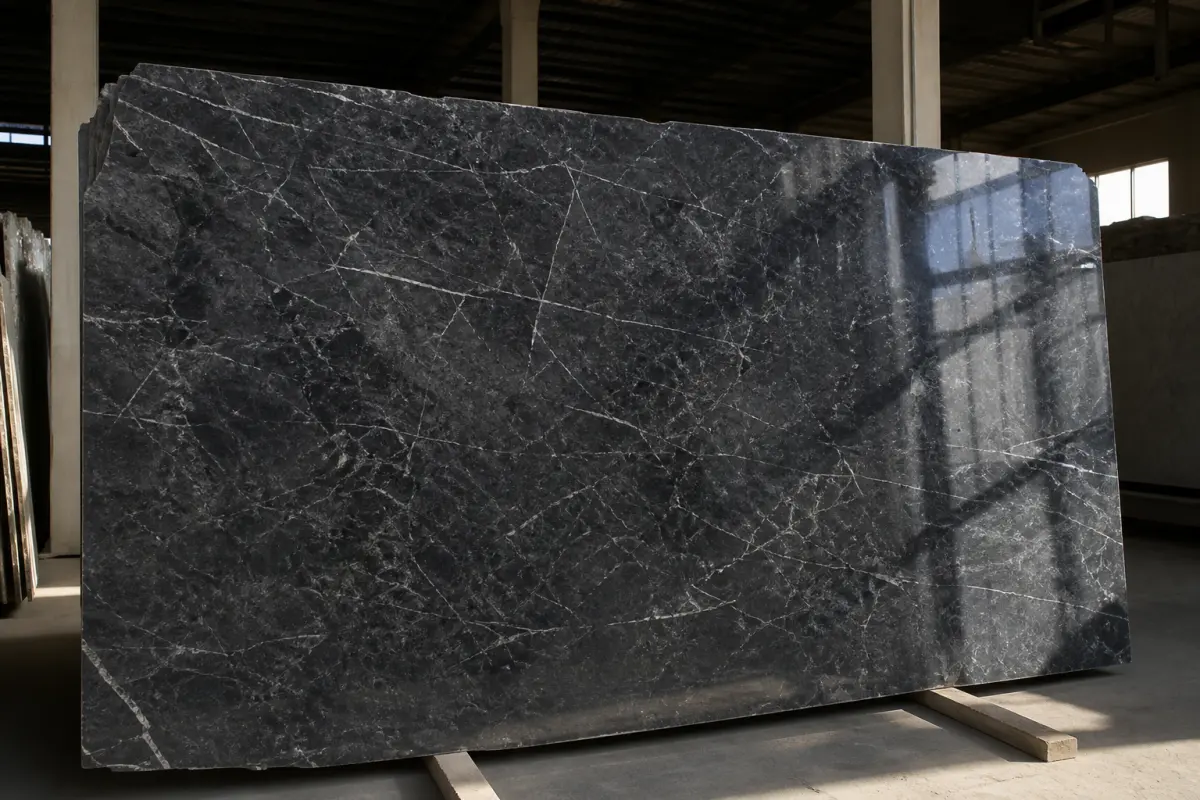
Nanser / jet black families from Buner leases are the default export conversation: deep background, occasional white or grey streaks, polish that reads mirror-like when the line is maintained. Material from Bajaur and adjacent merged areas may carry different local names but enter the same Malakand processing chain—verify quarry papers if origin marketing matters to your client.
Grey-black and banded blacks appear in lower price tiers, useful for cladding where distance viewing hides movement. Block-grade black moves to China and domestic cutters when slab selection is done overseas or in Karachi job shops. Compare finished inventory on black marble slab listings before you assume all black shares one price.
Slab formats and typical applications
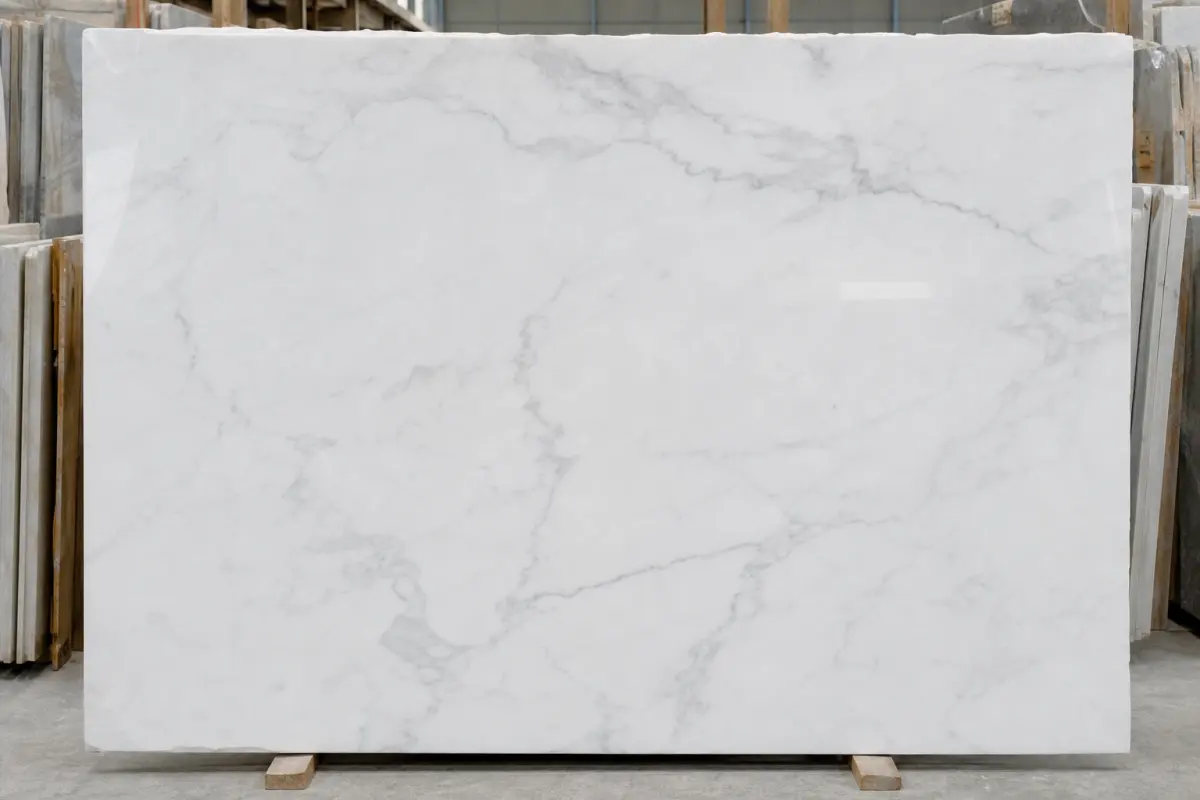
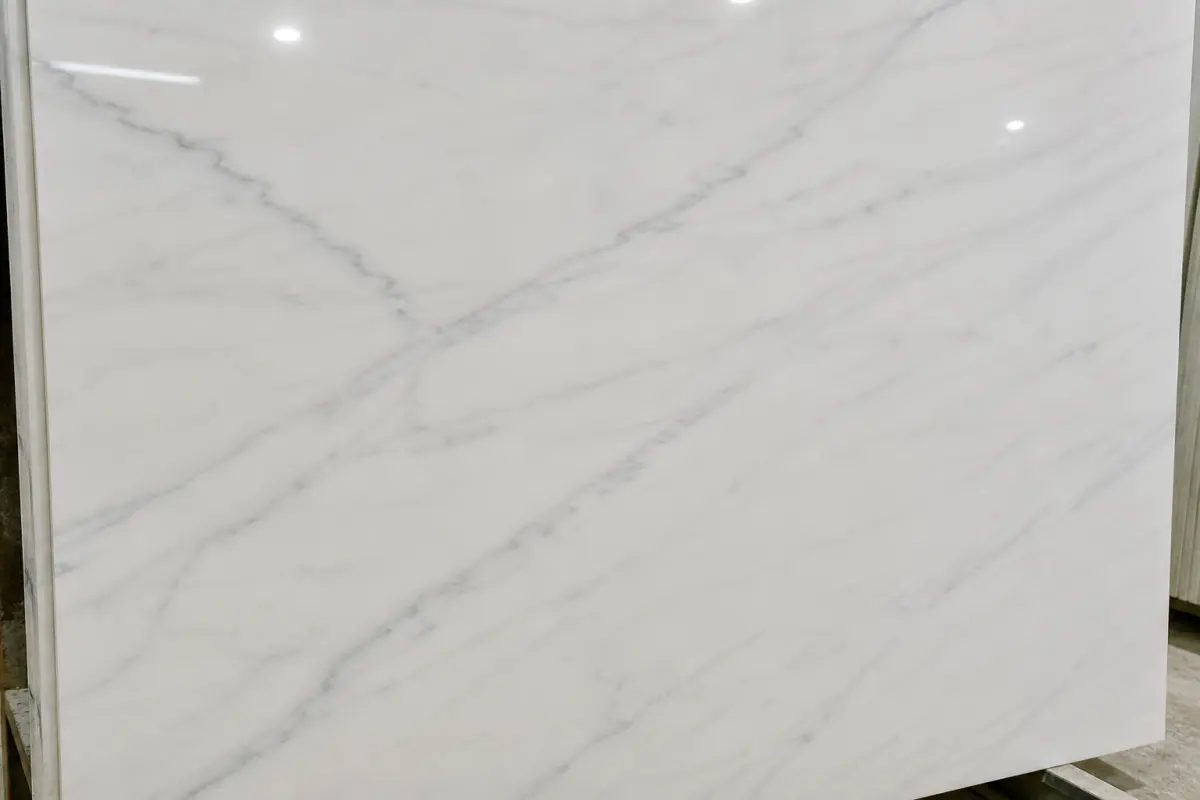
Vanity and counter work often uses 2 cm or 3 cm polished slabs with book-matched pairs where possible—ask early because not every black block yields clean pairs. Feature walls may accept honed or leathered finishes if the factory line supports it; confirm abrasives and line setup. Flooring in pure black is rare in hot climates due to heat and scratch visibility; more common is black as accent with Bampokha white or Badal grey field stone.
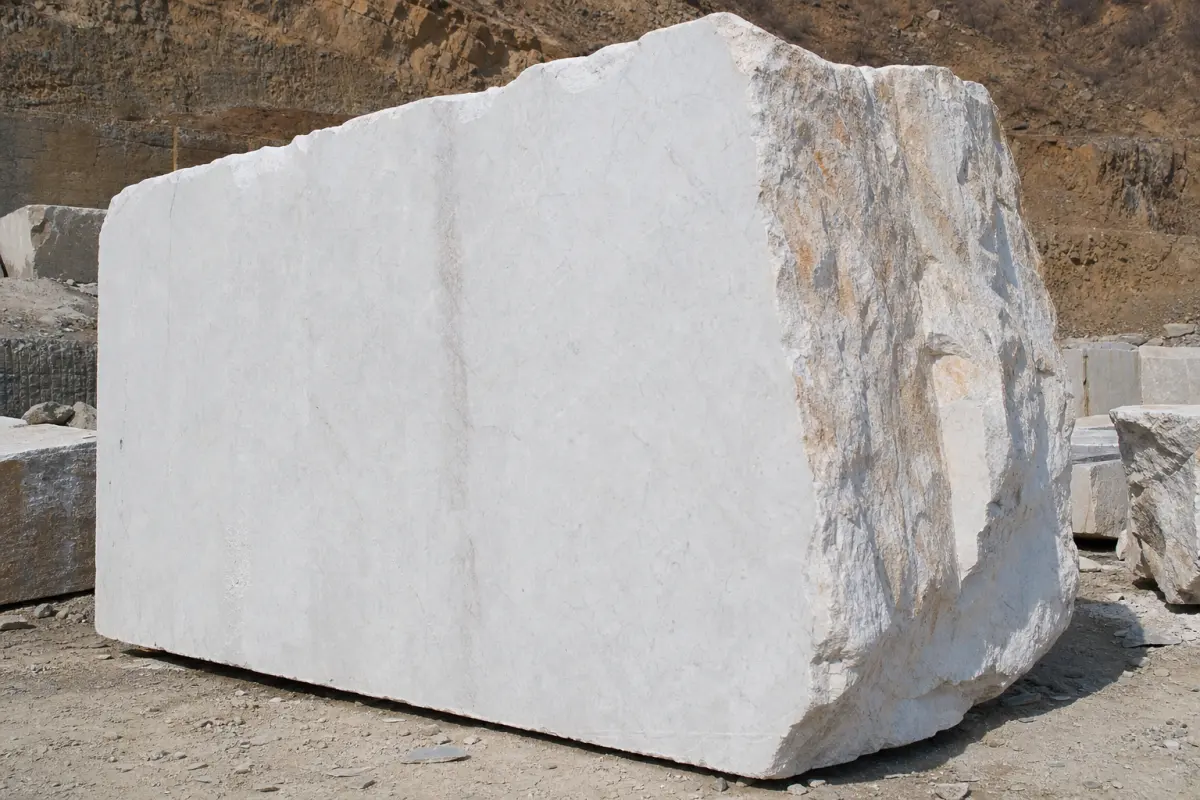
Monument and tomb work may buy thick slabs or raw blocks from the same belt when colour matching family estates—black programmes here tolerate more geological variation than a hotel bathroom.
Where suppliers stock black marble
Unlike white, black is not always on polish-line backlog. Stock concentrates in factories that won leases with strong black benches, in block yards waiting saw assignment, and in Mingora showrooms as small bundled lots. Torwarsak remains the honest answer for “where is it processed”; Mingora is where you review samples if the quarry road is not on your itinerary.
Export buyers should ask for current-yard photos, not last season’s container unload. Black shows dust and fine scratches in images—request wipe-down photos under daylight. For block programmes, browse raw block listings and specify minimum block size and colour floor.
Price drivers and quality risks
Black premiums reflect sorting: slabs with uniform face command more than streaked commercial bundles. Extraction method still matters—wire-sawn blocks reduce hidden fractures that explode on vanity cut-outs. Read quarry blasting versus wire saws before you blame the fabricator for a blasted-block surprise.
Factory power and tax sit on every invoice. Load shedding delays polish queues; phased sales tax on erstwhile PATA supplies changes ex-mill sheets—see factory tax research and electricity in Buner factories. Black does not exempt mills from either cost.
Sourcing checklist for architects and importers
- Define allowed vein percentage and photo-approve a master sample.
- State cut-out responsibility (vanity supplier vs slab supplier vs project fabricator).
- Confirm resin and mesh policy for black calcite/dolomite mixes.
- Match payment to slab polish completion and crate photos.
- Use marketplace RFQs on StoneVaults to compare multiple black slab suppliers with the same written spec.
Black marble from Buner and Bajaur rewards buyers who treat it as a sorted natural product with a visible supply chain—not a generic “black stone” SKU. Nail origin, stock location, and grade language, and suppliers will bring the right bundles forward instead of dumping commercial streaked lots into a vanity spec.
Bajaur and merged-district supply notes
Material extracted toward Bajaur may pass through the same Malakand trucking corridors as Buner blacks before polish. Security, road condition, and seasonal access affect delivery more than shade alone. Importers should treat “Bajaur black” marketing as a traceability claim—ask for lease reference and weighbridge tickets when origin matters to your client’s sustainability questionnaire.
Domestic monument contractors often accept wider streaking than export vanity suppliers because distance viewing forgives geology. Export buyers should separate those grades on purchase orders so a mill does not downgrade vanity lots to meet a mixed container target.
Fabrication and cut-out risk
Black slabs with hidden fractures fail at sink and hob cut-outs. Ultrasonic or water-jet shops in Karachi and Lahore can salvage some panels, but the cost erases ex-mill savings. Wire-sawn block origins reduce but do not eliminate this risk—still inspect bundle ends before spread payment.
Export paperwork and HS codes
Black marble slabs and blocks generally travel under the same broad marble headings as whites, but invoice descriptions must match customs classification your broker expects. Pair physical bundle photos with packing lists before letter-of-credit presentation. When black is a minor line item in a white-heavy container, list crate numbers per colour so port surveyors do not conflate values on insurance claims.