Ziarat white and Ziarat grey marbles from Balochistan compete with Buner whites and greys on price and look. Compare origin, supplier chains, shade character, logistics, and when to specify each on Pakistani and export projects.
Procurement teams in Pakistan often receive two white marble quotes the same week: one labelled Ziarat white from Balochistan’s marble belt near Ziarat and neighbouring districts, another labelled Bampokha or Super White Buner from Khyber Pakhtunkhwa’s Malakand processing cluster. Both can satisfy a “white floor, grey bathroom, reasonable vein” brief—but they arrive through different road networks, different factory densities, and different supplier habits. Ziarat grey variants play the same comparison game against Buner Badal and Sunny Grey families.
This is not a geology textbook. It is a supplier comparison for buyers who must pick origin, manage shade, and hit opening dates without assuming all Pakistani white is fungible.
Origin and supply-chain shape
Buner concentrates hundreds of marble factories in one district—Torwarsak, Swari, Elai—so block, saw, and polish often happen within truck distance. Ziarat material may extract in Balochistan and saw locally or move to Quetta, Karachi, or even KP job shops depending on the dealer. That shape affects lead time, inspection trips, and who holds inventory when your RFQ lands.
Buner suppliers inherit Malakand Division’s tax and power story—phased sales tax on erstwhile PATA industrial supplies and chronic load shedding—documented in our factory tax research and electricity guide. Ziarat suppliers face Balochistan road security, seasonal access, and a thinner factory belt; pricing reflects logistics as much as colour.
Look: Ziarat white vs Buner whites
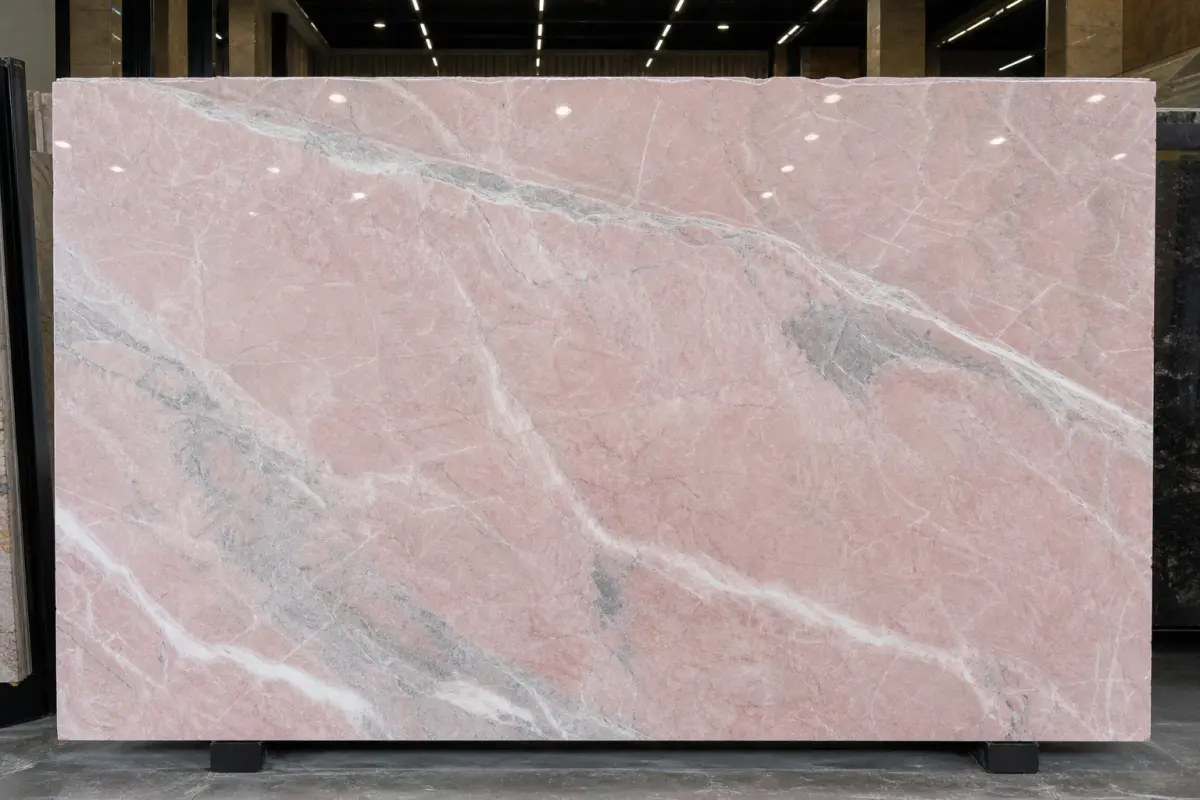
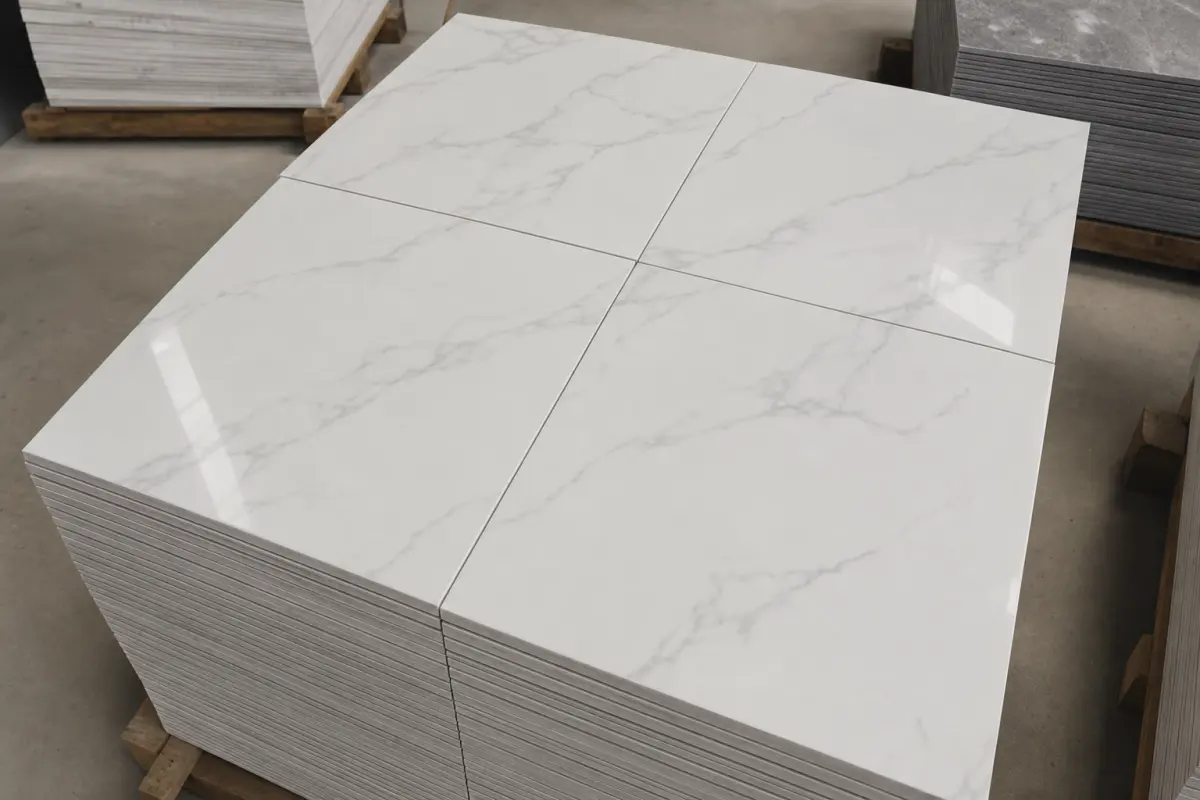
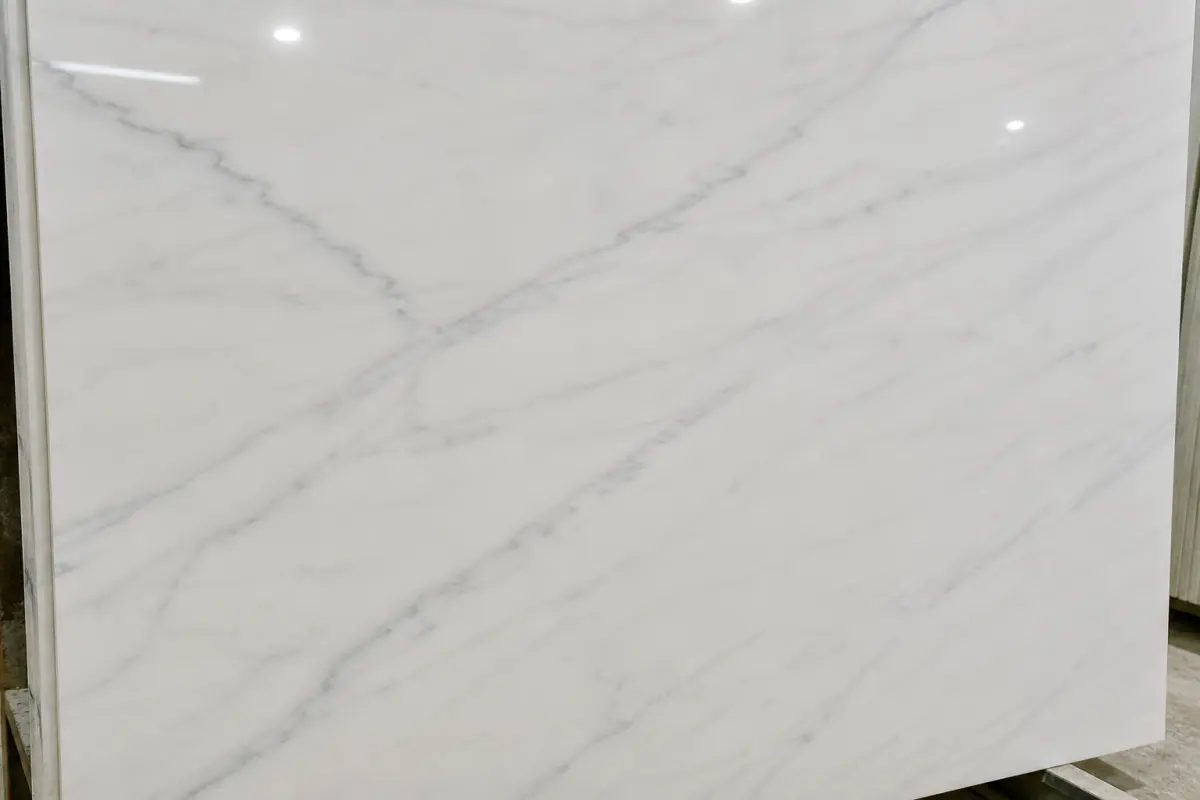
Ziarat whites often show a soft white to slightly grey field with gentle veining—attractive for domestic villas and mosques when architects want calm movement. Buner Bampokha and Super White can push brighter fields or sharper veining depending on bench and grade. Side-by-side samples under project lighting beat district folklore.
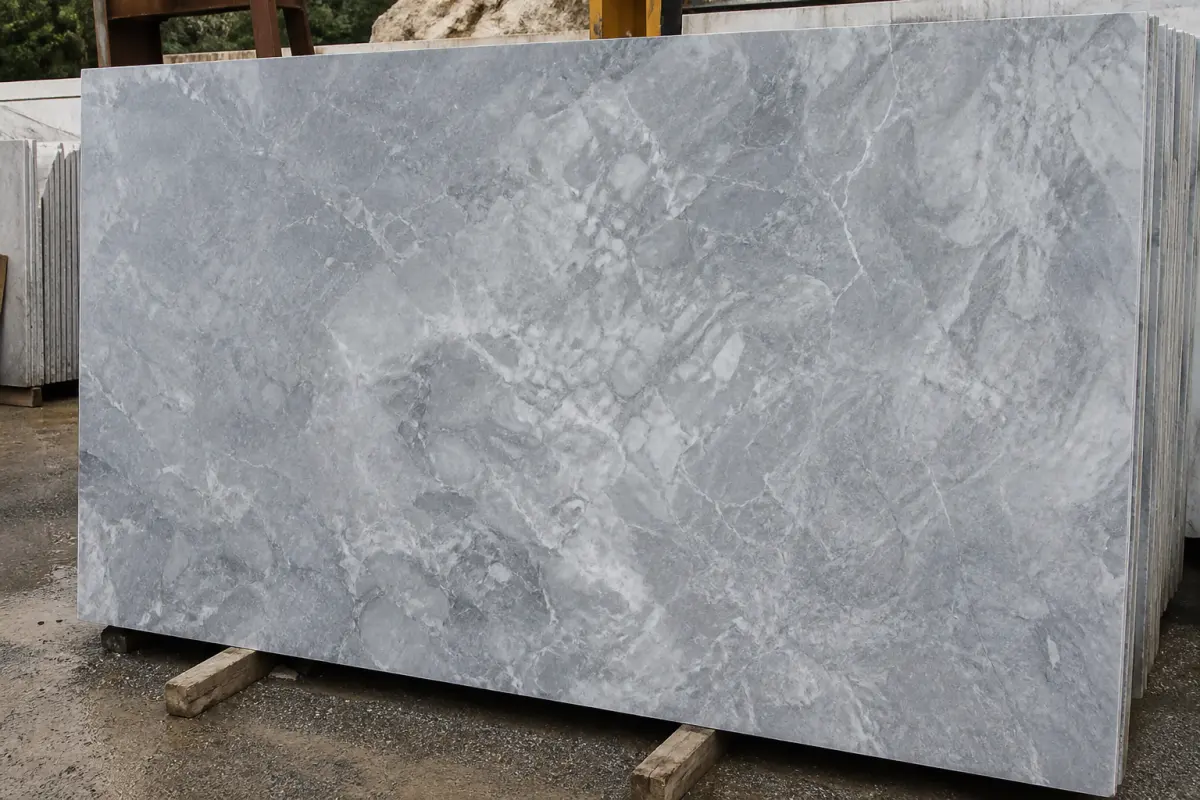
Compare named SKUs when possible: Bampokha No.1 and Super White Buner against Ziarat bundles your supplier labels first selection. Grey comparisons follow the same rule—Badal grey versus Ziarat grey with written clouding tolerance.
Processing quality and block yield
Both regions still fight blasting waste; wire-saw adoption varies by lease economics. Buner’s research conversation on blasting versus wire saws applies wherever Pakistani marble is extracted—ask Ziarat suppliers the same face-quality questions you ask Torwarsak mills.
Price, logistics, and when each origin wins
- Choose Buner whites when you need dense factory choice, fast resaw, and Malakand export packing habits—or when your importer already consolidates in KP.
- Choose Ziarat whites when Balochistan ex-quarry pricing wins on landed cost to Quetta, Karachi, or upper Sindh projects, and sample approval confirms shade.
- Choose Buner greys for very large grey floor programmes with Badal-family volume.
- Choose Ziarat greys when design calls for specific Ziarat movement seen and approved on master samples.
Overseas buyers should compare FOB or CNF with the same incoterms—Karachi port stuffing differs from trucking Ziarat blocks across provinces first.
Supplier diligence on both origins
Ask for quarry or yard photos, factory location if polished, bundle IDs, and tax invoice status. Traders who cannot show current inventory should not anchor your budget. Use StoneVaults RFQs to run Ziarat and Buner options in parallel with identical thickness, finish, and shade rules—suppliers self-select on capability.
Ziarat white and Ziarat grey vs Buner whites is a logistics and sorting decision dressed as a colour decision. Write specs tight, compare fairly, and let documented bundles decide—not district loyalty on a WhatsApp forward.
Project types where each origin appears
Balochistan provincial buildings and Quetta commercial towers often prefer Ziarat material when local political preference and trucking radii favour Balochistan origin. KP government and Malakand private projects lean Buner because factory density shortens rework cycles. Export programmes from Karachi ports treat both as Pakistani origin but may still specify Buner polish quality when brand consultants know the Malakand names.
Mixed-origin value engineering—Ziarat grey guest floors, Buner white lobbies—works when designers draw transition zones. Without drawings, fixers blame suppliers for “different whites” that were never specified to match.
Documentation importers should parallel
Request test certificates if your market requires them—absorption, flexural, or project-specific tests may be available from larger mills regardless of district. Match invoice description to bundle photos. Align sales-tax treatment: Buner mills sit inside the phased PATA industrial schedule detailed in factory tax research; Ziarat traders may invoice through Balochistan or Karachi entities with different registration—your accountant cares even if your architect does not.
Warranty and replacement practicalities
Neither district offers marble “warranty” in the consumer-electronics sense—natural stone varies. Contract instead for replacement slab or tile supply when damage occurs in transit or when agreed shade bands are clearly violated on delivery. Buner suppliers often hold follow-on block access for replacements if you documented bundle IDs; Ziarat programmes may need longer lead times for match—state replacement time limits in the contract.
Visiting suppliers: what to see in one day
A Buner day can cover block yard, gangsaw, and polish line in Torwarsak if roads cooperate. A Ziarat comparison trip may require separate Balochistan logistics—many Karachi buyers skip travel and rely on video plus third-party inspection. Choose travel spend based on order size, not on district pride.
Currency and payment terms differ little by district—both origins usually quote PKR ex-mill with dollar pegs for export—but FX timing matters on large Ziarat block purchases when payment spans quarry release and port arrival weeks apart.
Architects publishing finish schedules should list approved alternates—Ziarat white OR Buner Bampokha No.1—only when visuals truly match the sealed sample, not when prices differ. Alternates without sample parity invite substitution battles at handover.