Indian and Pakistani marbles compete in Gulf and South Asian projects—often side by side on the same BOQ. Compare Makrana and Rajasthan supply with Buner and Swat whites on price, appearance, lead time, and supplier reliability before you lock a continent.
Architects in Dubai, Karachi, and Nairobi often receive two samples for the same floor schedule: a Rajasthan white and a Buner or Swat white from Pakistan. Both can polish bright. Both can fail if the supplier swaps grade between containers. Choosing Indian marble vs Pakistani marble is therefore not a nationalism question—it is a BOQ question about price bands, vein character, lead time, and whether the supplier behind the sample will still answer the phone on container three.
India’s marble belt—Rajasthan, Gujarat, Madhya Pradesh—exports at massive scale with decades of Italian machinery culture and established port infrastructure at Kandla and Mumbai. Pakistan’s Malakand cluster exports less in customs dollars but competes aggressively on ex-quarry cost for whites and greys when buyers accept northern logistics. Neither country owns “quality”; both own good and bad factories.
Look and commercial names
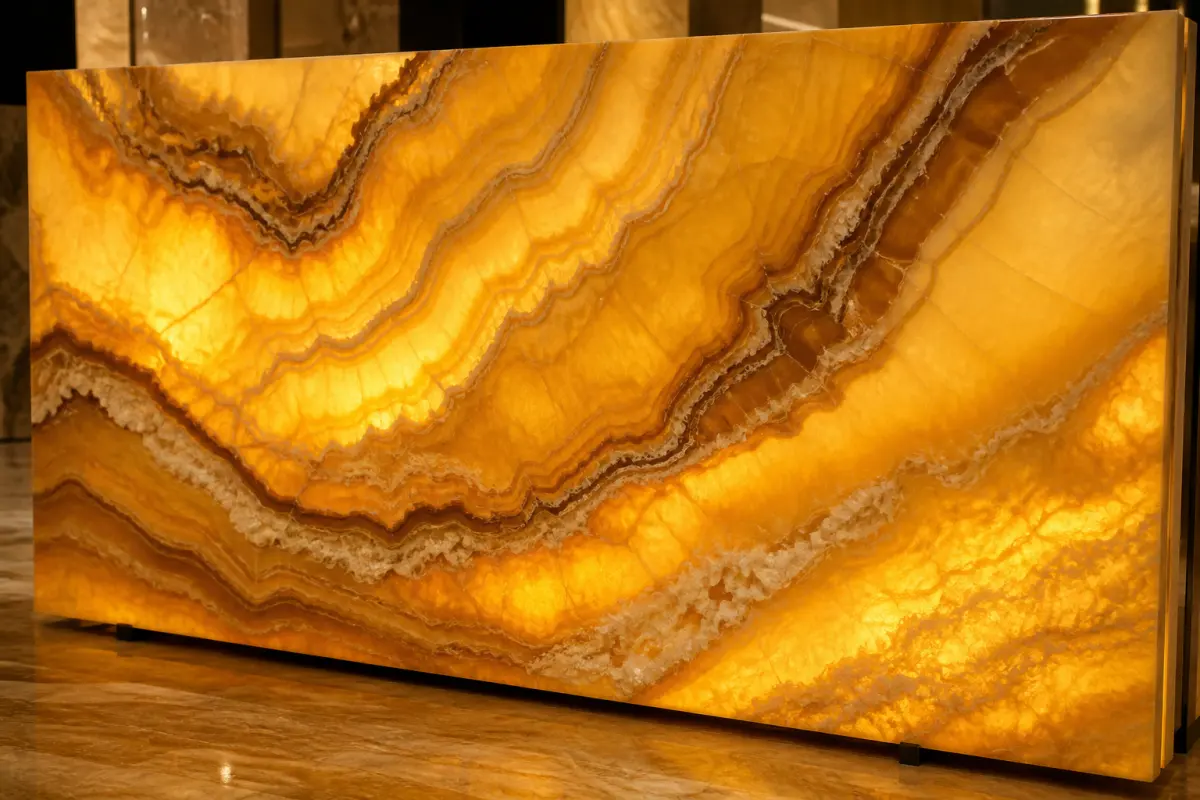
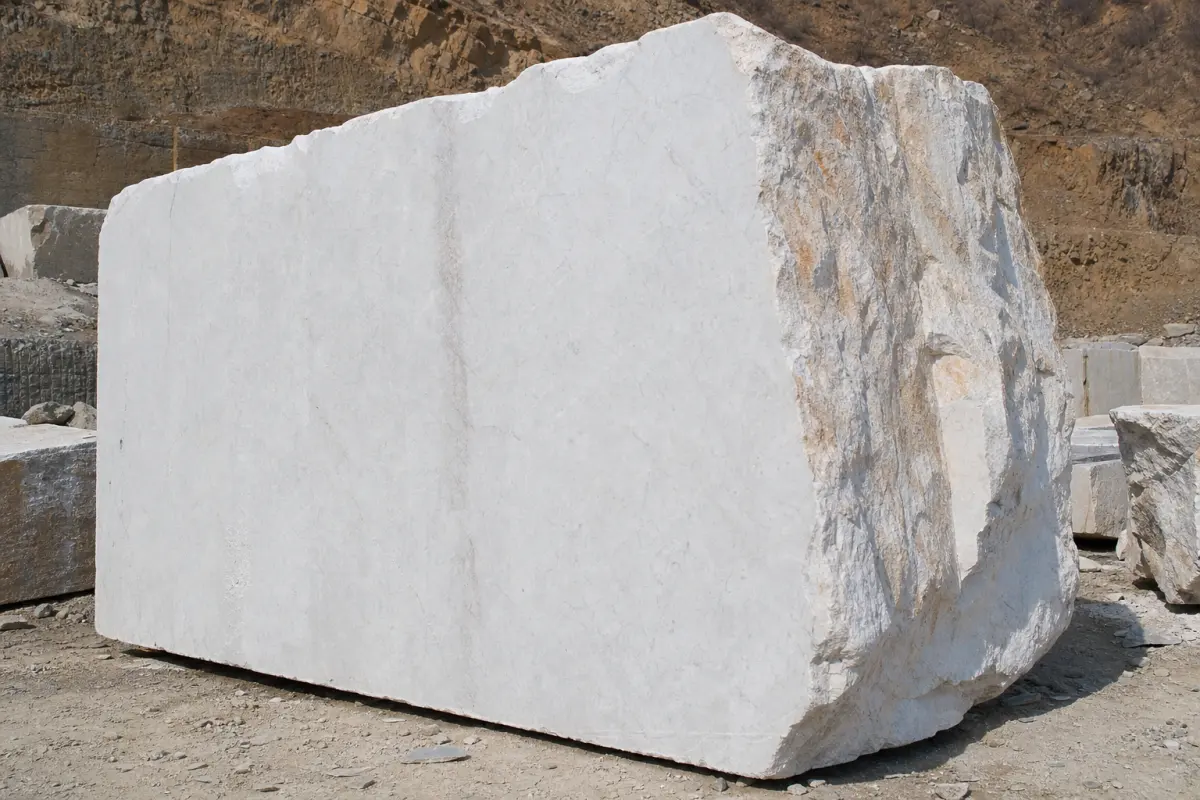
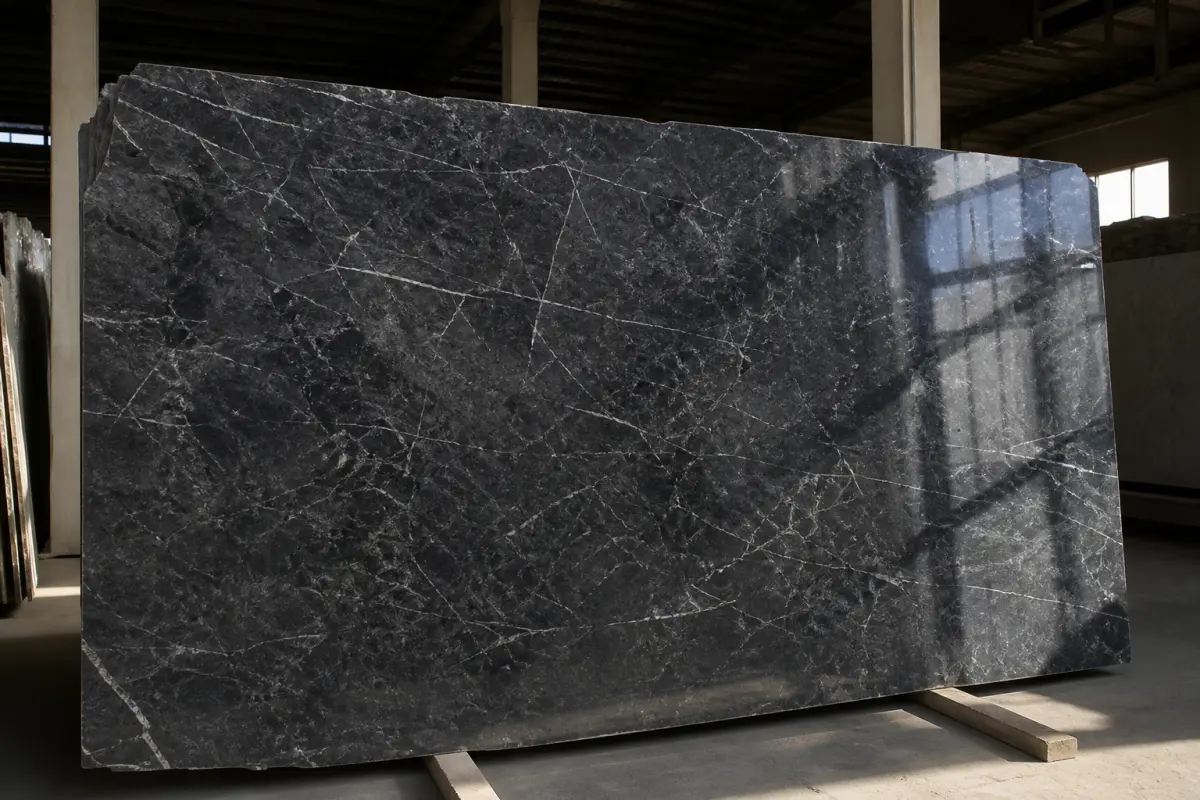
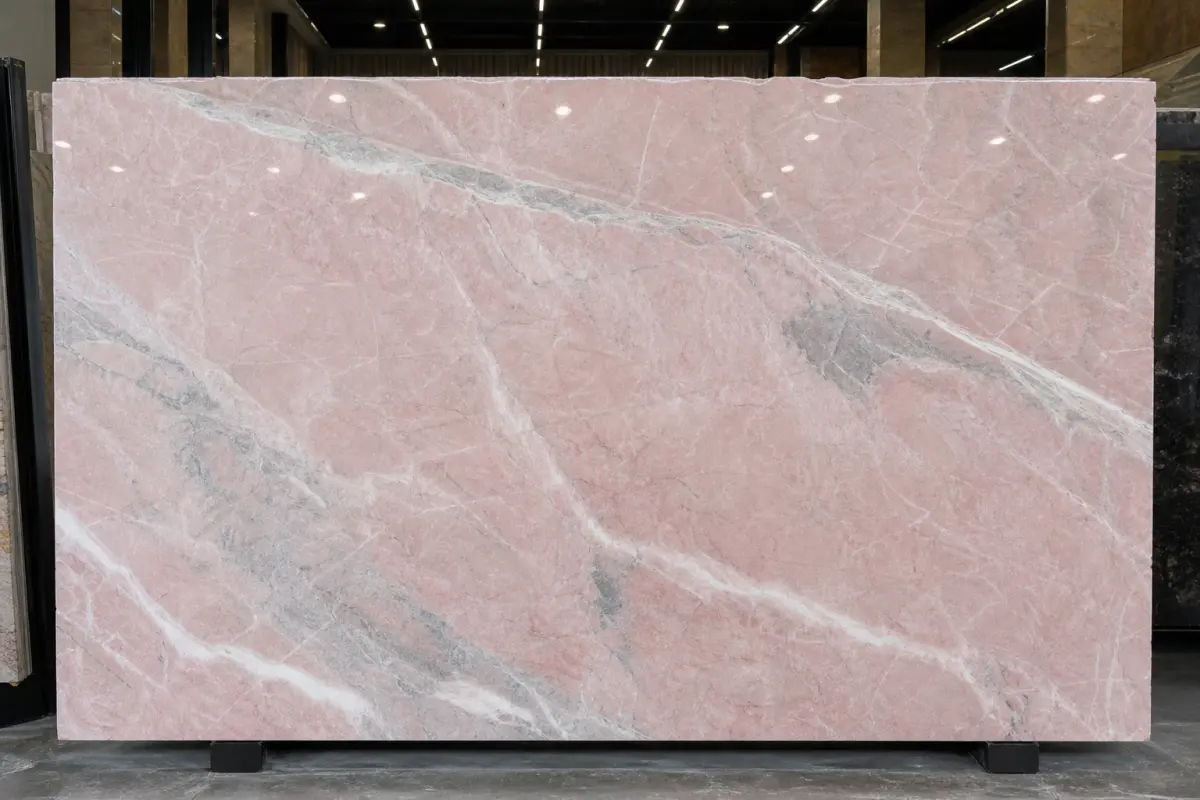
Indian programmes reference Makrana, Agaria, Wonder White, and dozens of regional names. Pakistani programmes reference Bampokha, Super White, Badal grey, and Swat-range colours. Cross-border shoppers sometimes compare Pakistani Bampokha No.1 to Indian commercial whites—not to Italian Carrara—because price point and vein quietness align. Feature stone such as Buner pink fancy competes with Indian decorative marbles on character, not on lobby minimalism.
Finish matters for perceived “look.” A honed Indian lot beside a mirror-polished Pakistani lot skews architect impressions. Align finish using our Pakistani marble finish guide when comparing across borders.
Price drivers in 2026
Indian pricing reflects factory competition, diesel, export rebates history, and rupee/dollar dynamics on the Indian side. Pakistani pricing reflects block waste from blasting versus wire saw, PESCO power tariffs, new sales-tax layers on erstwhile PATA mills, and the long haul to Karachi. A low Pakistani WhatsApp quote may omit tax and packing; a low Indian quote may omit grade. Compare at declared thickness, finish, and grade—not headline rupee or rupee equivalent per square foot.
China buys large volumes of Pakistani blocks; India ships significant processed marble to the Gulf and USA. Your project size determines which country offers freight efficiency—Mumbai versus Karachi sailing schedules matter as much as ex-factory rupees.
Supplier reliability: what to verify in both countries
- Factory video and bundle IDs, not showroom samples only.
- Written grade tolerance and replacement rules for shade drift.
- Tax and export documentation suitable for your bank and customs.
- Reference containers in your destination country when possible.
- Platform-verified listings on the StoneVaults marketplace to reduce anonymous broker risk.
Indian suppliers sometimes offer tighter calibration on high-volume hotel SKUs because of line polisher density. Pakistani suppliers win when spec allows northern whites at lower landed cost and when diaspora relationships trust home-district names. Super White Buner and Makrana-class Indian whites can both succeed on the same Gulf project in different zones—lobby versus back-of-house, for example.
Practical recommendation
Run parallel RFQs with identical specs to one shortlisted Indian mill and one Pakistani factory you can audit. Include logistics to your port. Read reliability signals from documentation speed, not charm. Indian versus Pakistani marble is a portfolio choice; many successful importers dual-source to hedge shade, politics, and freight. StoneVaults lets you keep Pakistan options visible alongside global stone without treating the subcontinent as one homogenous quarry.
Lead time and inventory culture
Indian exporters often hold ready slab stock in Rajasthan yards for quick container fill. Pakistani northern mills more often produce to order after block purchase—lead times stretch when PESCO cuts power or when Bampokha faces are tight. Indian reliability can mean faster first container; Pakistani reliability can mean better ex-mill economics on programme volume if you plan eight weeks instead of three.
After-sales and replacement slabs
Match-replacement for shade drift is easier when the supplier keeps photos and block numbers from your first shipment. Indian and Pakistani factories both fail here when they are brokers. Ask both countries’ shortlist the same question: “If container four is too grey, what is your replacement protocol and who pays freight?” The answer reveals factory versus trader faster than plant tours.
Duties, anti-dumping, and trade mood
Import duty into GCC and African markets changes with trade agreements and temporary surcharges on specific HS lines. India and Pakistan both face shifting tariff politics in destination countries—neither enjoys permanent preference. Model landed cost with your customs broker annually, not from a five-year-old slide deck. Pakistani blocks bound for China follow a different demand curve than Indian slabs bound for the USA; your comparison should mirror your actual destination.
Cultural specification habits
Indian export houses often ship detailed packing lists and bundle numbering from long GCC experience. Pakistani northern mills are catching up as tax formalisation forces documentation. Patience on first Pakistani order can yield lower ex-mill on repeat; impatience drives buyers back to Indian traders who speak export fluently on day one. Choose based on programme length, not on first email polish alone.
Stone type pairing on mixed BOQs
Many towers use Indian marble in guest rooms and Pakistani white in public lobbies—or the reverse—based on budget phasing. Document which country owns which zone on shop drawings so replacement slabs five years later do not become a treasure hunt. StoneVaults lets you keep active RFQs for both origins without losing spec history in chat scrollback.
Warranty callbacks on etching and staining follow maintenance culture as much as origin—train facility teams regardless of whether slabs came from Rajasthan or Torwarsak.
Sample boards in Mumbai and Peshawar showrooms both lie under fluorescent light—always view finalist samples under your project lighting before you nationalise the choice on price alone.