
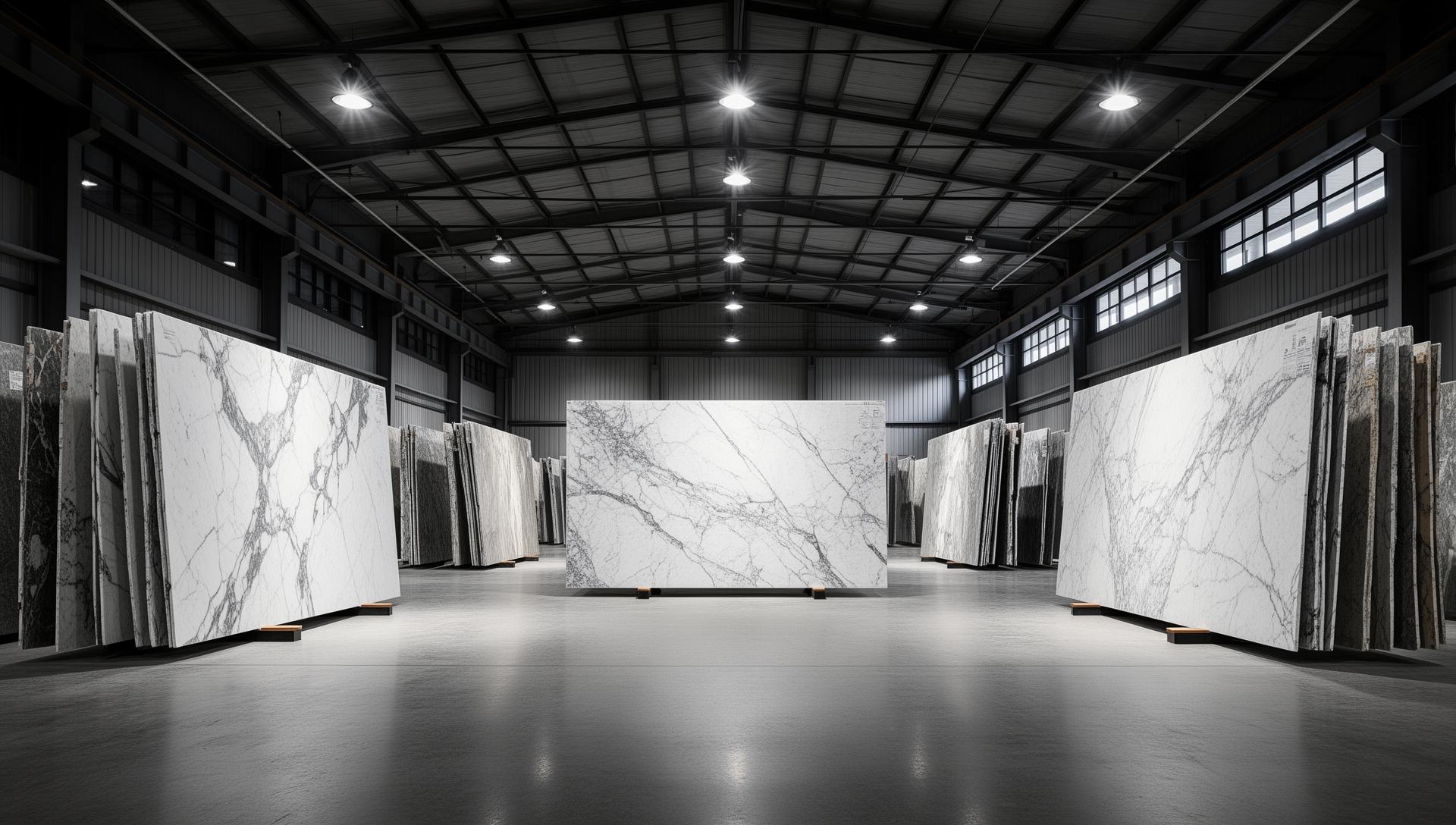
Buner, Khyber Pakhtunkhwa (KPK), is one of Pakistan’s richest marble-producing regions, known for its high-quality white and dolomitic marble. This blog explores the geological significance, economic impact, types of marble, mining practices, and future export potential of Buner’s marble industry, highlighting why it is considered a valuable natural asset of Pakistan
Nestled in the scenic valleys of Khyber Pakhtunkhwa, Buner District is not only a region of historic significance and natural beauty but also one of Pakistan’s most valuable mineral wealth hubs — especially in marble. Often referred to locally as Merbel, Buner’s marble resources play a crucial role in the province’s mining economy and have the potential to transform local livelihoods, boost exports, and contribute to national development. In this blog, we explore what makes Buner’s marble special, its geological significance, economic impact, challenges, sustainability considerations, and future potential.
What Is Marble and Why Is It Important?
Marble is a metamorphic rock formed when limestone undergoes heat and pressure deep beneath the earth’s crust. Renowned for its durability, elegance, and versatile colors, it is widely used in:
- Construction (flooring, walls, countertops)
- Architectural ornamentation
- Sculptures and decorative pieces
Dimension stone applications in both residential and commercial buildings
Marble’s appeal lies in its natural beauty — ranging from pure white to intricate patterns with hues of grey, black, brown, and green — making it a highly sought-after stone both domestically and internationally.
Buner District: A Marble Powerhouse of Pakistan
While the broader Khyber Pakhtunkhwa (KPK) province holds significant marble reserves, it is Buner District that stands out as one of the richest marble sources in the country.
Marble Reserves and Production
Buner contributes about 51% of Pakistan’s total marble production.
The district hosts an estimated hundreds of millions to over a billion tons of marble resources.
There are hundreds of quarries and marble processing units operating within the district — providing jobs and business opportunities for local communities.
These figures underscore Buner’s strategic importance — not just as a local economic driver but as a cornerstone of Pakistan’s mineral exports and stone industry.
Types of Marble Found in Buner
Buner marble is not a single uniform type — it comes in multiple distinct varieties, each with unique geological features and commercial use:
Pure calcitic marble: High calcite content (>90%) with low silica — ideal for dimension stones.
Impure calcitic marble: Contains non-carbonate minerals, useful in specific architectural finishes.
Dolomitic marble: Rich in magnesium, offering a distinct visual appeal and strength.
This diversity makes Buner marble suitable for a wide range of construction and décor applications.
Geological Origins of Buner Marble
Buner’s marble deposits are part of the Mardan-Buner belt, a geological zone formed under intense tectonic pressures. The northwestern unit of the Indo-Pakistan plate — shaped by folding, thrusting, and metamorphism — created the perfect conditions for marble formation.
The region’s geological makeup includes crystalline and dolomitic marble, along with thin bands of schistose marble and quartzite. Such varied geological structures have produced marble with excellent physical and mechanical properties — crucial for construction quality and durability.
Economic Impact on Local Communities
Employment and Industry
The marble sector in Buner is a major employer, providing livelihoods to thousands of workers — from quarry laborers and machine operators to craftsmen and transport workers. Local stone-cutting units and factories drive the regional economy, with many small-scale entrepreneurs building businesses around this resource.
Revenue and Mining Royalties
Buner’s marble production contributes substantially to provincial revenues through royalties and mining fees. According to official data, thousands of tons of marble are extracted and processed annually, creating financial inflows that help sustain public services and regional development projects.
Export Potential
Marble from Pakistan — and Buner in particular — is increasingly gaining interest in international markets. Its diverse colors and quality make it competitive against global marble sources, potentially opening doors for exports to the Middle East, Europe, and Asian markets.
Marble Quality and Technical Characteristics
According to research, Buner marble shows:
High strength values — making it suitable for construction and dimension stone uses.
Low water absorption and porosity — important for durability and longevity.
Distinct petrographic features — which correlate with performance in architectural and structural applications.
These properties reflect that, when processed and selected correctly, Buner marble can meet high industrial standards.
Challenges Facing the Marble Sector
Despite its potential, Buner’s marble industry faces several challenges:
Traditional Mining Practices
Much of the mining is still done using conventional methods — which often produce irregular blocks and generate excess waste.
Such practices can make extraction less efficient and increase environmental impact.
Need for Mechanization
Transitioning to semi-mechanized or fully mechanized mining techniques offers better yield, improved safety, and reduced waste — yet adoption remains slow.
Environmental & Safety Concerns
Marble mining produces waste material, can disturb landscapes, and needs careful planning to prevent accidents and degradation of local ecosystems. Sustainable practices and machinery improvements are critical to minimizing harm and promoting responsible mining.
The Path Toward Sustainable Marble Mining
Experts argue that modernizing Buner’s marble industry can bring economic and environmental benefits. Some key solutions include:
Mechanized Mining Techniques
Using advanced tools like controlled blasting, diamond wire saws, and rope cutters can enhance extraction quality, reduce waste, and increase profitability.
Skill Development for Workers
Establishing technical and vocational training centers for miners and stone workers can improve safety, productivity, and long-term sustainability.
Environmental Safeguards
Responsible waste management, reclamation of quarried land, and careful planning can help align marble mining with environmental standards.
Policy Support
Government support — including policies that promote investment, technology transfer, and international marketing — can elevate Buner’s marble industry to new heights.
Future Opportunities & Growth Potential
Industrial Growth and Special Economic Zones
There is a growing conversation around establishing industrial parks or Special Economic Zones (SEZs) in Buner — focused on mining, processing, and export. Such infrastructure would attract investors, improve local services, and generate new job opportunities.
Tourism and Cultural Heritage
While Buner is known for marble, it is also rich in culture, history, and natural attractions — from mountainous landscapes to historical sites. Integrating tourism with industrial growth can diversify the regional economy and create a holistic development model.
Conclusion: Buner’s Marble as a National Asset
The marble of Buner stands tall not merely as a rock beneath the earth but as a symbol of economic potential, historical legacy, and future opportunity. With its substantial reserves, multiple marble varieties, and strategic location, Buner has the capacity to become a global player in the marble industry.
However, to fully realize this potential, concerted efforts are needed — from upgrading mining technology and investing in sustainability to promoting exports and enhancing value chains.
For Pakistan, and particularly Khyber Pakhtunkhwa, the marble of Buner is more than a mineral resource — it is a gateway to economic empowerment, industrial expansion, and community development.